Hospitality · · 5 min read
The six WhatsApp and email messages every hotel booking deserves
A guest books a room. What happens next?
 Viet Anh NguyenWeb Development Manager
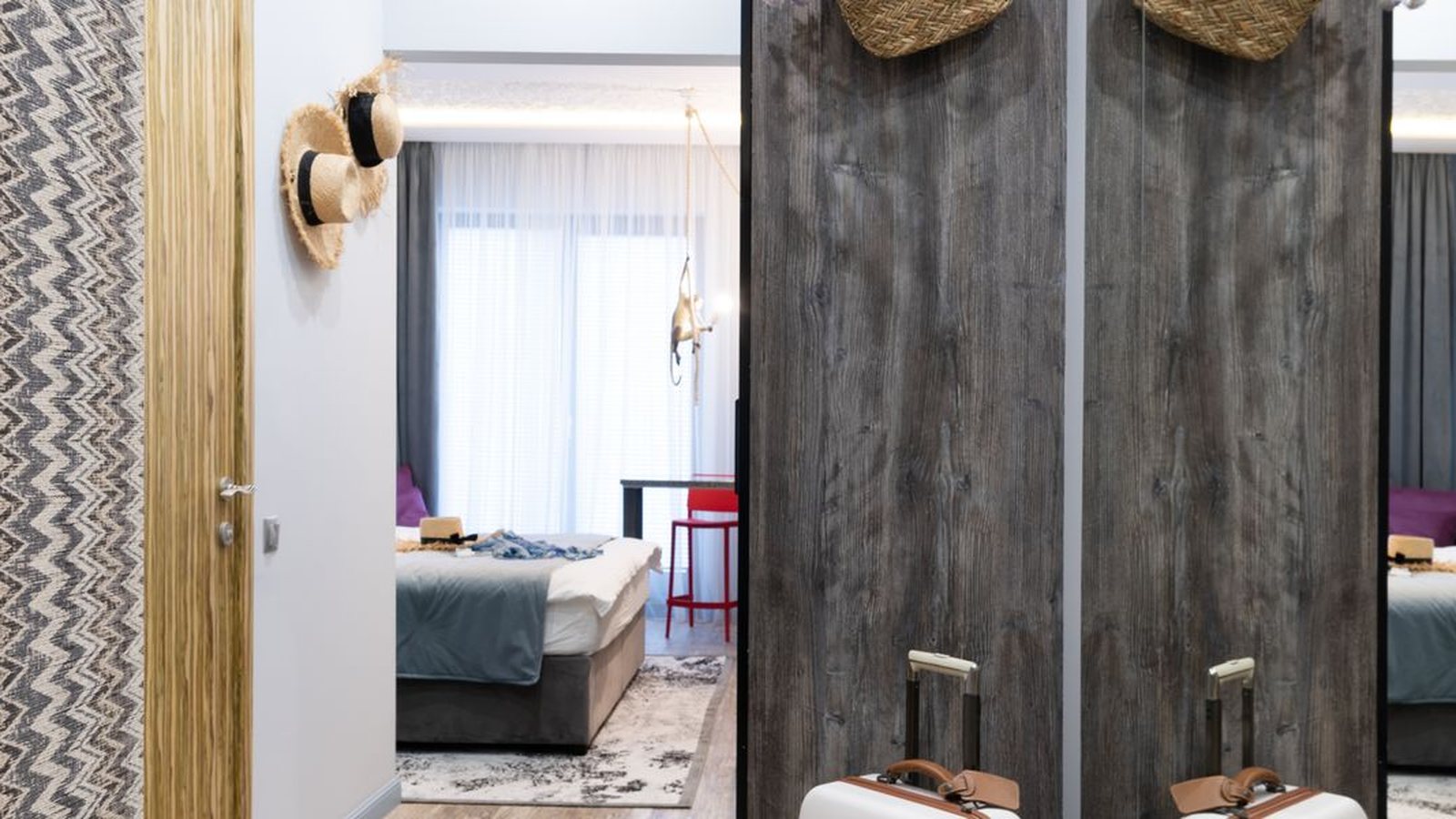
A guest books a room. What happens next?
At many hotels: a confirmation email, then silence until check-in, and nothing after checkout.
That silence is a missed chance. The weeks between booking and arrival are when guests are most excited, most curious and most open to adding something to their stay. Here is how we designed a guest journey that uses them well.
The rule behind every message: one idea, one button
Before the six messages, the principle. Every message should do one thing:
- one useful piece of information, or
- one experience worth booking ahead, or
- one offer.
With one clear button. Guests read on their phones, between other things. A message with five offers gets none of them taken. A message with one, timed well, feels like service.
The six messages
This is the structure of Smart Guest Journey, part of our new Smart Guest Systems service.
1. At booking: the confirmation, plus one upgrade. The guest has just decided. Confirm everything clearly, and offer one room upgrade at a fair price. This is the moment they are already thinking about the room.
2. Ten days before: one signature experience. A cruise, a dinner, a cooking class: whatever your hotel does best. Add that day's weather forecast so it feels real. Ten days is close enough to plan, far enough to book.
3. Three days before: the practical message. Check-in times, how to get there, transport options, and one useful extra, such as a kids' club slot for families. This is the message that prevents phone calls and anxious emails.
4. During the stay, day two: tonight. Tonight's sunset time, late checkout, the spa. Guests have settled in and are deciding how to spend the rest of their stay.
5. Two days after: thank you and a review. A genuine thank you, a one-tap link to leave a review while the memories are fresh, and a code to share with family or friends.
6. Months later: come back. A return offer for the same season, sent about nine months later, before they start planning next year's trip. Same room, same experience, booked directly.
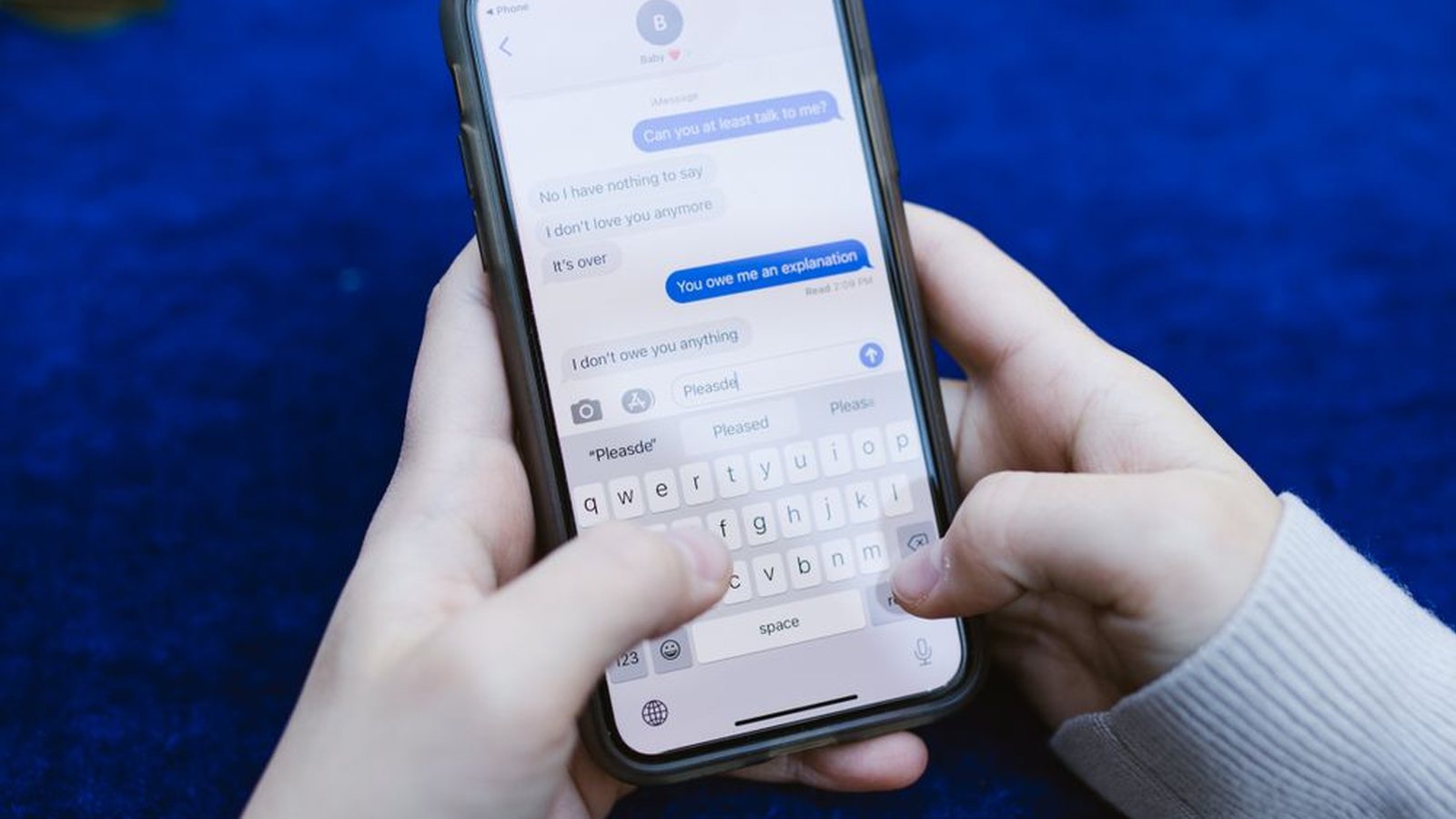
Thumbs typing a message on a smartphone
Why timing beats volume
Notice what is missing: daily promotions and weekly newsletters. Six messages across a whole stay is not a lot.
A 2026 guide by Hermis, which sells hotel messaging software, notes that guests expect replies within minutes, and that WhatsApp is strongest with international and Asia-Pacific travelers. Fewer, better-timed messages build that trust. Too many break it.
The right channel for each guest
Guests do not all live in the same app.
[[LOGOS]]
- Vietnamese guests receive a short version on Zalo, sent from the hotel's own Zalo Official Account using templates Zalo approves.
- International guests receive email or WhatsApp.
The content is the same idea. The format fits the channel: short with one button on Zalo or WhatsApp, a little richer by email.
What is the 24-hour rule on WhatsApp?
It is the rule that shapes every hotel's WhatsApp plan. On the WhatsApp Business Platform, a business can reply freely for 24 hours after a guest's last message. Outside that window, it may only send pre-approved template messages. Zalo has its own rules: service notifications to guests who have not written to you first go through ZNS templates that Zalo approves.
For hotels, that means two things. The six messages above are written as approved templates, because most are sent before the guest has written anything. And when a guest replies, the clock starts: a fast, human-quality answer inside those 24 hours is where bookings happen.
What happens when a guest replies
This is where many messaging setups fall short. A message invites a reply, and a reply needs an answer.
In a study by Canary Technologies (a company that sells AI software to hotels, published 28 October 2026), 65% of guest conversations included a request beyond information, such as a booking or a repair. Guests do not just want to read. They want things done.
That is why the value is not in the message tool alone. As hotel messaging specialists such as Hotelinking point out, it comes from connecting messaging to the PMS, CRM and booking engine, so a reply like "any rooms on the 22nd?" can be checked and handed to reservations. In our design, the agent checks the booking engine, answers in the hotel's voice and hands the guest to a person when needed.
Keep the guest data in your hands
Every list, template and account stays in the hotel's name, with consent recorded for each guest and a one-tap unsubscribe in every message. Our system is designed around Vietnam's Personal Data Protection Law, in force since 1 January 2026, and the GDPR for guests from the EU.
Where we are
Smart Guest Systems is new and not live yet, so we do not quote results. We will measure the first hotels against a holdout group, a small share of guests who receive no messages, so the report shows what the messages caused.
Before the first message: can guests find you?
These six messages start after the booking. Before it, more travelers ask AI assistants where to stay. In our recent audit of a much-loved 4-star city hotel, AI recommended it in 3% of answers to open travel questions (a snapshot from 27 Oct 2026; AI answers vary by session and location).
Our free AI visibility check shows how often AI names your hotel, who it names instead, and what to fix first. Request your free check.
What to take away
- The weeks between booking and arrival are your best selling window.
- One idea and one button per message.
- Six messages, timed well, beat a stream of promotions.
- Match the channel to the guest: Zalo, email or WhatsApp.
- Connect messages to your booking engine, so replies become bookings.
When I sit down with a client on this, we start with the checks above.
See how Smart Guest Systems works, read about AI touchpoints across the guest experience, or book a call to map the six messages for your hotel.