Hospitality · · 4 min read
Hotel SEO for AI: nine fixes that help ChatGPT recommend your hotel
Last week we shared what happened when we asked multiple AI platforms where to stay, 228 times. A much-loved 4-star hotel in a historic city center was recommended in 3.0% of answers to open questions. Read the full case here.
 Alexander van den BergFounder and CEO

Last week we shared what happened when we asked multiple AI platforms where to stay, 228 times. A much-loved 4-star hotel in a historic city center was recommended in 3.0% of answers to open questions. Read the full case here.
The hotel had great reviews. What it lacked were clear facts that AI can read, check and trust. These are the nine fixes we recommended, roughly in order of impact. Most take hours or days, not months.
How does a hotel rank in ChatGPT?
There is no ranking to buy and no single switch. AI assistants recommend the hotels they can describe with confidence, from facts that agree across your website, OTAs, Google and reviews. Classic hotel SEO gets you found. The fixes below make you the hotel AI can describe correctly, and so name.
First, the gaps we see again and again
The same weak spots show up in almost every hotel we check:
- No hotel schema (the structured data that tells machines what your hotel is) and no FAQ.
- Split or similarly named listings, and a star rating that differs from site to site.
- OTA listings and language versions that disagree with each other.
- Lower review scores and few owner replies.
- Policies not in plain text, and a booking engine AI agents cannot read.
The nine fixes below close those gaps.
Fix 1: hotel schema in every language
Add hotel structured data to every language version of your website: name, address, star rating, rooms, amenities, check-in times. It is the clearest way to tell machines exactly who you are. Many hotels add it only to the English site, or not at all.
Fix 2: separate your sister brands
If your group has hotels with similar names, give each its own name, its own pages and its own schema. In our case, two AI platforms merged the hotel with its sister property. Guests then read facts about the wrong hotel.
Fix 3: plain-text policies, a readable booking engine and llms.txt
Put your policies on one plain web page: cancellation, children, pets, check-in and check-out. Not inside offer packages, not only in a PDF. In our case, AI presented a package's cancellation rule as the hotel's general policy.
Then make sure your booking engine can be read by AI agents, and add an llms.txt file, a short plain summary of your hotel that some AI tools read. Google says its own AI features need no special files, so treat llms.txt as a low-cost extra, not a magic switch.
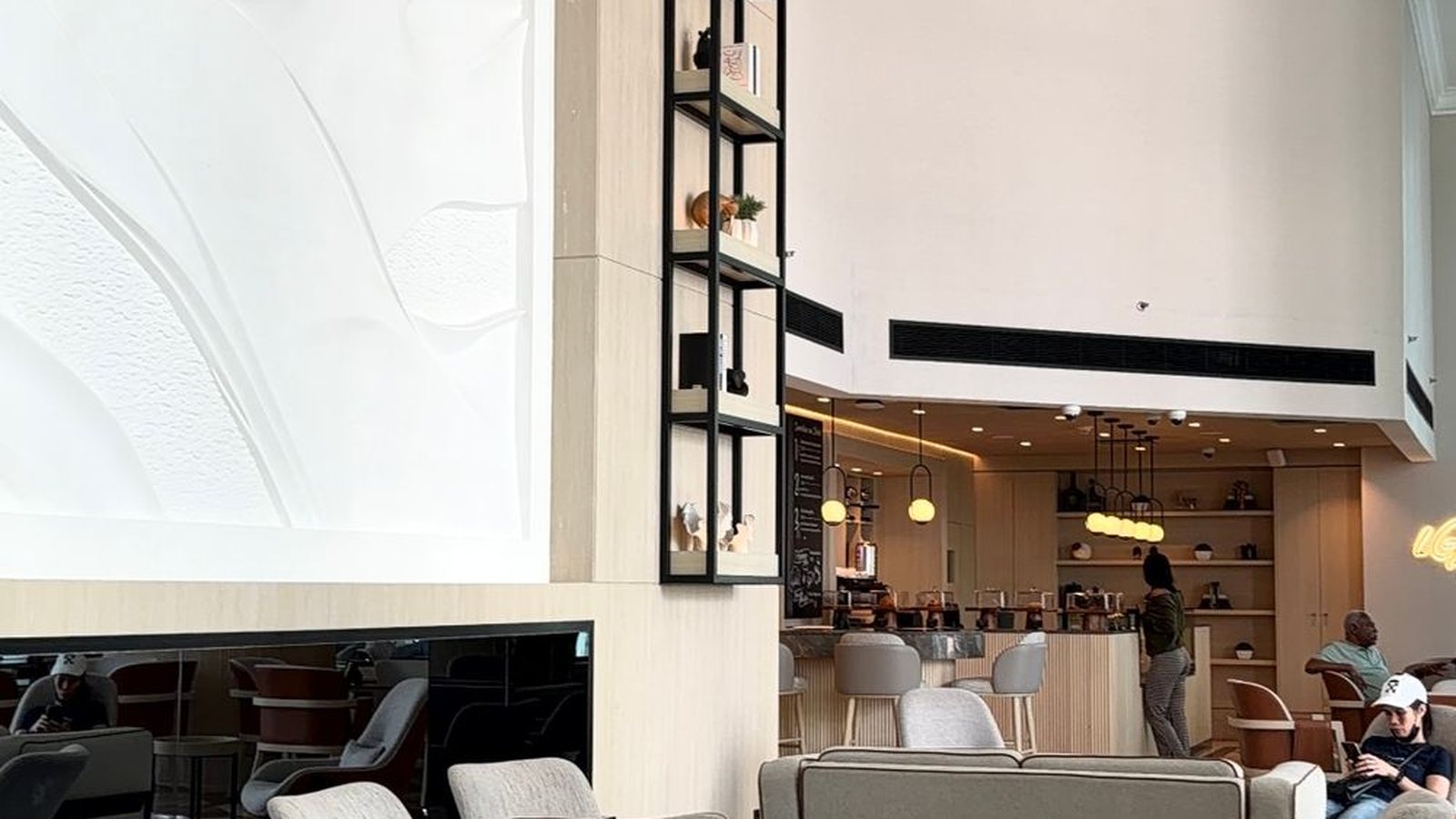
Hotel lobby lounge in natural light
Fix 4: a multilingual FAQ with FAQ schema
Travelers ask AI questions. Answer them on your own site first, in every language your guests use, and mark them up with FAQ schema. Our case hotel had a four-language website, yet AI never mentioned it in Japanese answers.
Fix 5: close the review gap
AI repeats what reviews say. Three habits make the difference:
- Ask every guest for a review after checkout.
- Reply to most reviews, good and bad. Our case hotel replied to 2 of its last 20 Google reviews.
- Fix the weakest area that guests mention, then let the reviews catch up.
Fix 6: correct or claim unofficial sites
In our case, an unofficial third-party site was cited almost as often as the hotel's own website (13 times against 14). Find those sites. Correct their facts, claim them where you can, or ask for removal.
Fix 7: one page for every theme you already win
AI already recommended our case hotel for niche questions: a nearby landmark, pool and spa, staycations and family stays. Build one clear page for each theme you already win, so AI has more to quote, and more reason to choose you.
Fix 8: make your OTA listings consistent
AI cites Booking.com, TripAdvisor, Google and Agoda far more often than most hotel websites. The same name, star rating, room types, amenities and policies must appear everywhere. Any mismatch makes AI less confident about you.
Fix 9: answer the competitor comparison
AI compared our case hotel with 5-star rivals and noted an older property. Answer that comparison yourself: publish your renovation details and current photos, with dates. Show what has changed, so AI does not rely on old reviews.
Where to start
You do not need all nine at once. Start with fixes 3, 1 and 8: plain policies, schema and consistent listings. They remove the facts AI gets wrong, which matters more than anything else.
Then measure again. AI answers vary by session and location, so one test is a snapshot, not a verdict. Ask the same questions every month and track the trend.
Find out which fixes your hotel needs, free
Our free AI visibility check asks 30 to 50 traveler questions in English, Vietnamese and your guests' languages, across multiple AI platforms. You get your mention rate, your share of voice against 3 to 5 nearby competitors, the sentiment, a gap check of your schema, FAQ, Google Business Profile, OTAs and reviews, and your priority fixes.
When I sit down with a client on this, we start with the checks above.
Request your free AI visibility check. Pair it with hotel marketing and a hotel website built for direct bookings.