Hospitality marketing · Hotel opening strategy
Open your hotel with bookings waiting
Hotel pre-opening marketing prepares a new hotel to sell before its doors open. Atelier ATTENTION builds your brand, website and booking engine, sets up Google and the OTAs, and runs pre-sales and launch campaigns, so your first guests have booked before opening day.
What a new hotel gets
Ready to sell on opening day
Everything a guest needs to find, trust and book a hotel that has no reviews yet.
A brand guests remember
A logo, colors, photos and a story that set your hotel apart, written down in brand guidelines your team can use.
A website that sells from day one
A fast, multilingual website with a working booking engine, live before the first sales push.
Listings ready before launch
Google Business Profile, Google hotel listing and OTA profiles complete and checked, with the same facts everywhere.
Pre-sales for the first weeks
Opening offers for early bookers, partners and your group's past guests, sold on your own website.
A launch plan with dates
Press, social media, ads and partner events planned week by week toward opening day.
Reviews from the first guests
A simple routine to ask every early guest for a review, so future guests and AI assistants have something to read.
Pre-opening, step by step
What hotel pre-opening marketing includes
What is hotel pre-opening marketing?
Hotel pre-opening marketing is the work that prepares a new hotel to sell before it opens. It turns a building site into a place guests can find, trust and book: a clear position, a brand, photos, a website with a booking engine, listings on Google and the OTAs, and campaigns that sell the first months. Atelier ATTENTION plans and runs these steps with your owners and opening team, so the marketing is ready when the rooms are.
When should a new hotel start marketing?
Start as soon as the concept and the opening date are firm enough to share. The brand, website and photos take the longest, and guests planning a holiday often book weeks or months ahead. We recommend 6–12 months before opening, and at least 3 months. If your opening date is close, we work in a different order: the website, Google and the main OTAs first, the rest after launch.
What should be ready before the first booking?
Before you open sales, guests and search engines need the basics, in every language you sell in:
- A clear position. Who the hotel is for and why they should choose it, in one or two sentences.
- A brand and photos. A logo, colors and brand guidelines, plus photography or 3D visuals while rooms are being finished.
- A website with a booking engine. Fast on phones, with rooms, rates and policies written out. See our hospitality websites.
- Listings. A Google Business Profile and Google hotel listing, and OTA profiles with the same name, address, facilities and policies.
- Tracking. So you can see from the first day which channels bring bookings.
Good photos matter more than most owners expect, because guests can't visit a hotel that isn't open yet. We explain why in great photography for hospitality websites.
How do you sell rooms before the hotel opens?
Opening offers on your own website are the heart of pre-sales. We build an email list from social media, partners and, if you are part of a group, past guests of your sister hotels. We also reach travel agents and companies who book groups and meetings. Clear photos or 3D videos help guests book a room they can't see in person yet.
How do you balance OTAs and direct bookings at launch?
A new hotel has no reviews and no search history, so OTAs are useful in the first months. We set up your OTA listings carefully and, from day one, give guests a reason to book on your website instead: a perk, a better choice of rooms or a personal welcome. As your reviews grow, your direct share can grow with them. Local SEO for hotels helps the same way on Google Maps.
What happens after opening day?
The first months shape your reviews and your place in search results. We ask every early guest for a review, answer each one, adjust offers with your revenue manager every week and keep campaigns running for the dates that need help. Personal messages before arrival and after the stay can help too. Then we move to a monthly rhythm, as described on our hotel marketing page.
The road to opening
Five stages before the doors open
We prefer to start 6–12 months before opening, and at least 3 months ahead, but we also join projects that are already under way.
- 1
Position
Market and competitor research, your ideal guests, your price position and the story that sets you apart.
- 2
Brand and content
Visual identity and brand guidelines if needed, then photos, video or 3D visuals of the rooms as they are finished.
- 3
Website and booking
A multilingual website, booking engine, payment methods and tracking, tested on phones.
- 4
Listings and pre-sales
Google, OTA and map listings with matching facts, opening offers on your own website, and email and social media to build a list.
- 5
Launch and first months
Ads, press and partner campaigns, review requests from the first guests, and weekly adjustments to offers with your team.
Questions from new hotels
Questions owners ask before opening
What owners and opening teams ask us before a launch.

What is hotel pre-opening marketing?
Hotel pre-opening marketing is everything that prepares a new hotel to sell before it opens: positioning, brand, website, booking engine, listings, pre-sales and launch campaigns. It means guests can find, trust and book you from the first day.
When should pre-opening marketing start?
Earlier than most owners expect, because the brand, website and photos all take time. We recommend starting 6–12 months before opening, and at least 3 months ahead. If your opening date is close, we start with the website, Google and the main OTAs, and build the rest after launch.
How do you sell rooms before a hotel opens?
With opening offers on your own website, an email list built from social media and partners, and early agreements with travel agents and companies. Clear photos or 3D visuals help guests book a room they can't visit yet.
How much does hotel pre-opening marketing cost?
It depends on what you already have, for example a brand from your hotel group or a booking engine. After a free call you get a fixed quote for the whole launch or for single parts.
Should a new hotel list on OTAs from the start?
Usually yes. With no reviews and no search history yet, OTAs bring reach in the first months. We set them up with complete, matching facts and build your direct share next to them from day one.
How does a new hotel get its first reviews?
Ask every early guest, at the right moment, on the platforms that matter for your markets, such as Google, TripAdvisor and the OTAs you use. Answer each review personally. Reviews also help AI assistants describe and recommend you.
Can you design the logo and brand for a new hotel?
Yes. We design logos, visual identities and brand guidelines, or work within the brand of your hotel group. See branding and corporate identity for how we work.
Do you also handle operations, permits or staff training?
Our focus is marketing and sales: brand, website, listings, campaigns and guest communication. For operations, permits and training we work next to your management company or opening team. We market your launch events, while the hotel or its partners organize them.

Testimonials
What our clients say about us
“The website created by Atelier ATTENTION for one of our hotels is the best-performing in our portfolio for traffic generation and conversions, significantly increasing our direct online revenue.”
 Sofiya ChinBalance Hospitality · Hotel group, Vietnam
From our blog
Read more about Hotel opening strategy
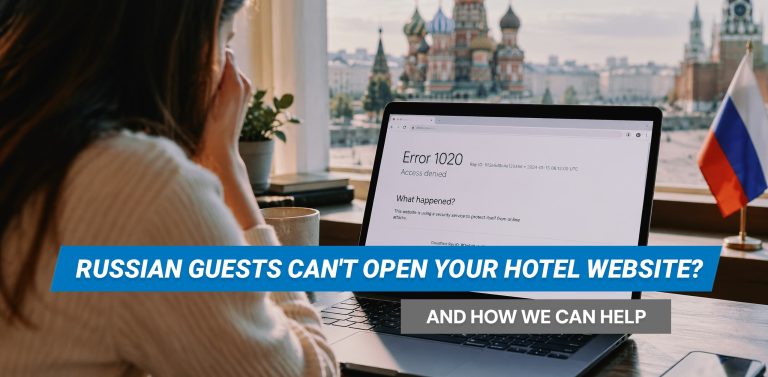
Russian Guests Can’t Open Your Hotel Website?
Since June 2025, Russian ISPs have throttled Cloudflare-protected sites to about 16 KB. For hotels, that means broken booking engines and lost…
The Complete Guide to Hotel Content Marketing in the AI Era
A strong hotel content marketing strategy is now essential as travelers rely on AI tools and LLMs to research, compare, and choose…

Why Asking for Direct Bookings is Crucial for Your Hotel Website—and How to Get Them
In today’s hospitality market, OTAs like Agoda and Booking.com dominate online hotel reservations. But for hoteliers, direct bookings through your website offer…
Related services
Works well together
Hospitality marketing
More direct bookings, less OTA commission.
See the serviceHospitality websites
Hotel websites that make booking direct the easy choice.
See the serviceBrand guidelines
Clear rules so everything you make looks like you.
See the serviceOTA optimization
Complete, consistent listings on Booking.com and Agoda.
See the service
Start today
Tell us about your opening
Book a free 45-minute call. Share your opening date and what is ready, and we show you what to do first.