Web design · Multilingual websites
One website, every language written natively
Multilingual website design means one website in several languages, each with its own pages and web addresses. We write every language natively instead of publishing machine translation, link the versions with hreflang so Google shows the right one, and build Arabic pages right to left. We work in English, Vietnamese, Dutch, Arabic, German and Russian.

What changes for your visitors
Every visitor reads you in their language
A good translation isn't enough. Each version needs its own words, its own search phrases and the right layout.
Copy that sounds local
A fluent writer writes or fully rewrites every language for its market, so visitors read you as a local business, not as a translation.
The right version in Google
Each language gets its own URL, such as /vi/ or /nl/, linked with hreflang tags, so Google shows Vietnamese searchers the Vietnamese page.
Found with local search phrases
We research what people type in each language. Vietnamese owners search 'thiết kế website'; Dutch owners search 'website laten maken'.
Arabic that reads correctly
Arabic pages run right to left, with a font made for Arabic script, mirrored layouts and Western digits, as readers in Saudi Arabia expect online.
Facts AI can find in every language
Clean HTML and structured data in each version help AI assistants find the facts about you, whatever language the question is asked in.
One editor for all languages
Your team updates every version in the same visual editor, so prices, dates and facts stay the same everywhere.
Languages, done properly
What a second language really takes
Multilingual website design is more than adding a language switcher. Each language gets its own pages, its own web address and its own text, written for people in that market. Done well, a visitor in Hanoi, Amsterdam or Riyadh reads your website as if it were made for them, because it was.
We work in English, Vietnamese, Dutch, Arabic, German and Russian, from our offices in Hanoi, Ho Chi Minh City and Miami and with our close partner Charisma in Riyadh. For hotels with many Korean or Chinese guests, we add those languages where needed, through native freelance writers we work with regularly.
What is a multilingual website?
A multilingual website offers the same business in several languages, with a separate version of each page per language. Search engines can find every version, and visitors can switch to their own language from any page.
Why not use machine translation?
Because customers notice. Machine translation gets the words roughly right but often misses tone, local terms and the way people in that market search. A Dutch reader expects direct, modest copy. A Vietnamese reader expects a polite, warm tone. A reader in Riyadh expects polished Modern Standard Arabic.
We use AI where it saves time: research, first drafts and consistency checks. A fluent writer then writes or fully rewrites every page. Nothing is published as a raw machine translation.
What is hreflang, and why does it matter?
Hreflang is a tag that tells Google which language each version of a page is in and which versions belong together. It helps Google show the Vietnamese page to Vietnamese searchers and the English page to English searchers. We combine it with one URL per language, for example /vi/ for Vietnamese, /nl/ for Dutch and /ar/ for Arabic, and with translated page addresses such as /vi/thiet-ke-website/.
How do you build an Arabic website?
Arabic runs right to left, so the whole layout mirrors: the menu, text alignment, arrows and the order of steps. We use a font designed for Arabic script, Arabic punctuation and Western digits, which readers in Saudi Arabia expect online. Brand names can stay in Latin script inside the Arabic text. For projects in Saudi Arabia we work with Charisma, our partner in Riyadh.
Does each language need its own keyword research?
Yes. People don't search with translated English phrases. A hotel owner in Vietnam types "thiết kế website khách sạn"; a business owner in the Netherlands types "website laten maken". We research each language separately, so every version answers what that market actually asks. Our SEO service keeps that work going after launch.
Which pages should you translate first?
Start with the pages a new market needs to trust you and take action: the home page, your main services or rooms, prices and contact details. Add articles and smaller pages once the first versions bring visitors. If you run a hotel, see how languages fit into hotel website design, and how AI visibility helps assistants recommend you in every language.
From one language to four
Adding languages, step by step
- 1
Choose the markets
In a free call we look at where your visitors come from and which pages each market needs. Not every page needs every language.
- 2
Research each language
We find the phrases people search in each language and plan a URL for every version, such as /vi/thiet-ke-website/.
- 3
Write natively
AI helps with research and first drafts. A fluent writer then writes the final text for each market and approves it.
- 4
Build, link and check
We build every version with hreflang tags, a language switcher and right-to-left styles where needed, then test each one before launch.
Multilingual website questions
Before you add a second language

How much does a multilingual website cost?
It depends on the number of languages and pages, because each language is written, not just translated. Websites with three or more languages usually fall in our Custom package. You get a fixed quote after a free 45-minute call.
Is machine translation good enough for a website?
For a first draft, it helps. For a page your customers read, it rarely sounds natural, and small mistakes in prices, policies or tone cost trust. We use AI for research and drafts, then a fluent writer writes the final text for each market.
What is hreflang and do I need it?
Hreflang is a small tag in your page code that tells Google which language and region each version is for. Without it, Google may show visitors the wrong language. Every multilingual website we build has it.
Should each language have its own URL?
Yes. Separate URLs, such as /vi/ and /nl/ on your main domain, let Google find every version and let you share the right link with each market. Switching the language with a script on a single URL hides the other versions from search engines.
Can you build an Arabic website that reads right to left?
Yes. Arabic pages get a mirrored right-to-left layout, a font made for Arabic script and Arabic punctuation, written in clear Modern Standard Arabic. For projects in Saudi Arabia we work with Charisma, our close partner in Riyadh.
Can you add Korean or Chinese for hotel guests?
Yes, where a hotel's guests need it. Each version is written by a fluent writer and gets its own URLs and hreflang tags, like every other language. We offer Korean, Chinese and French through native freelance writers we work with regularly, and agree the lead time per project.
Will a multilingual website split my SEO?
Not when it's set up properly. Each version ranks for searches in its own language, and hreflang tells Google the versions belong together, so they don't compete with each other.
Do we need every page in every language?
No. We write the pages each market actually looks for, often the home page, the main services or rooms, and contact details. Other pages can follow later.
How do we keep all languages up to date?
You edit each version in the same visual editor. When something changes, such as a price or opening hours, we can also update every language for you as part of hosting and care. Care plans include updates, backups, monitoring and a set number of content changes a month.



Testimonials
What our clients say about us
“Atelier ATTENTION has been our trusted marketing partner for 5 years. They help us plan and execute our marketing strategies, including our website, which has significantly increased our market share.”
 Roel CoumansCETEQ B.V. · Security company, the Netherlands


From our blog
Read more about Multilingual websites

How do you build a multilingual website that works?
Give each language its own pages and URL, have each version written natively rather than machine-translated, connect the versions with hreflang, and…

How much does a website cost?
A website costs what its pages, design, content, features and languages require. A one-page site with one goal costs much less than…
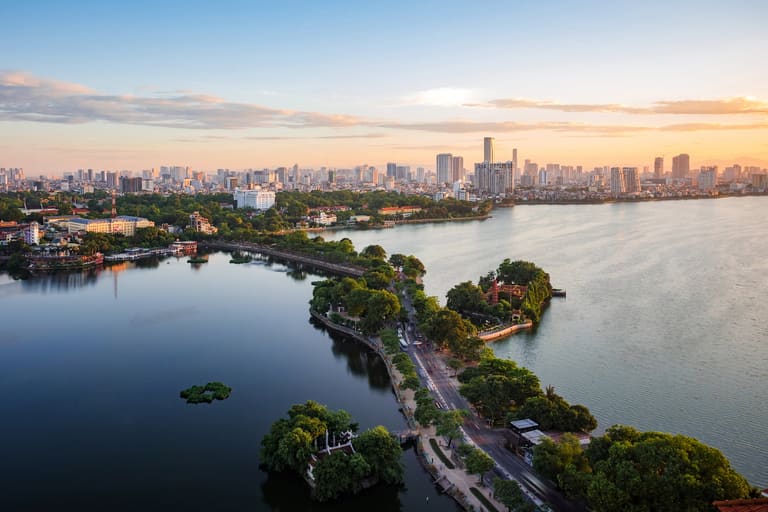
What does a website for the Vietnam market need?
A website for the Vietnam market needs natural Vietnamese with full diacritics, fast mobile pages, Zalo as a contact option and local…
Related services
Works well together
Web design
A fast website that turns visitors into inquiries.
See the serviceHospitality websites
Hotel websites that make booking direct the easy choice.
See the serviceSEO and AI search
Found on Google and named in AI answers.
See the serviceAI visibility (GEO)
Named in the answers of ChatGPT, Gemini and Google.
See the service

Start today
Which markets do you want to reach?
Tell us where your customers come from. We'll suggest the languages and pages that matter most, with a fixed quote.