What the 2026 search shake-up means for everyone who depends on being found online — and what to do about it.
Here’s a strange new reality: people are searching for businesses like yours more than ever — but fewer of them are clicking through to anyone’s website at all.
If your leads, bookings, or new clients come from being found online, that one sentence deserves your full attention. Because how search is changing in 2026 will decide whether customers keep finding you, or quietly find someone else.
For twenty-five years, the deal was simple. You rank high on Google, people click your link, and some of them become customers. That deal is being rewritten right now — faster than most business owners realise.
How Search Is Changing: What Actually Happened
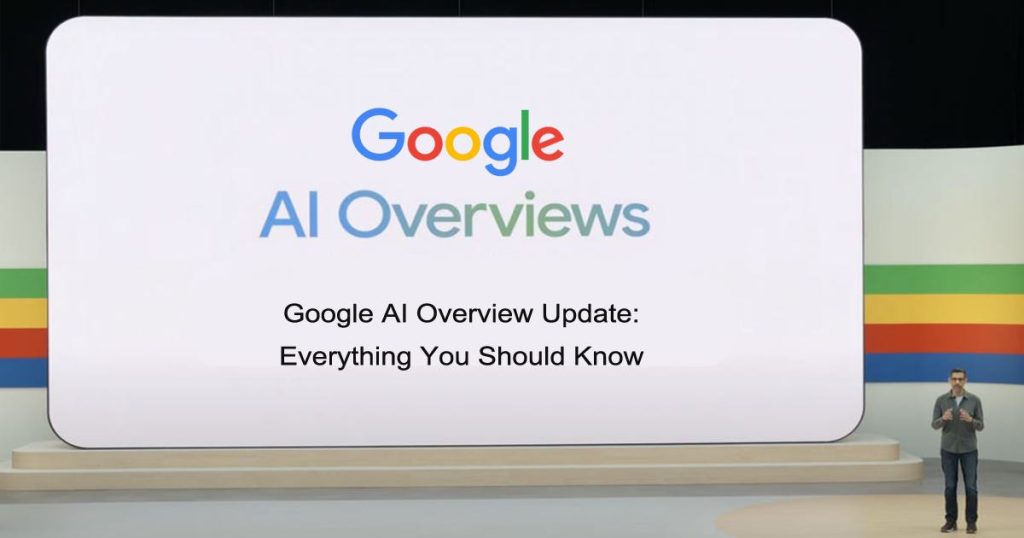
In May 2026, Google announced its biggest change to Search in more than 25 years. Instead of showing a list of blue links, Google now answers many questions directly on the results page.
These answers are called AI Overviews. By March 2026, they appeared on nearly half of all Google searches. A few months before that, it was about a third. The shift is fast — and still accelerating.
There’s also a new “AI Mode,” which feels less like searching and more like chatting with a knowledgeable assistant. You ask a question, read the answer, ask a follow-up, and never leave the page.
The result? Most searches now end without a single click. Recent data puts that figure close to 60% of all Google searches in the United States. People get what they came for and move on.
Ranking First Isn’t the Prize It Used to Be
Here’s the part worth sitting with for a moment. For the websites that fought hard to win the number-one spot, click rates on these AI-heavy searches have fallen from around 27% to as low as 11%. You can still rank first and watch your traffic shrink.
That feels unfair. But it points to a more useful question: if the old goal is fading, what’s the new one?
The Opportunity Hiding in the Bad News
Now for the encouraging part, because there genuinely is one. When Google’s AI answer names your business as a source, something interesting happens. Those citations earn roughly 35% more clicks than the old number-one position did.
| Being quoted inside the AI’s answer is now worth more than ranking first beneath it. |
So the goal has shifted. It’s no longer simply “rank high.” It’s “become the source the AI trusts enough to mention.”
Google Isn’t the Only Search Engine Anymore
There’s one more change, and it’s a big one. Google is no longer the only place people search. ChatGPT now has more than 800 million weekly users. Perplexity handles hundreds of millions of questions every month. Many of your future customers are asking these tools for recommendations long before they ever open Google.
And here’s the catch: showing up on one doesn’t mean you show up on another. Only about 11% of websites get cited by both ChatGPT and Perplexity. Each tool chooses its sources in its own way. The map of being found online simply has more roads on it than it used to.
What To Actually Do About It
This is the practical part. The reassuring news is that the fundamentals still matter — they just need a fresh approach. Here’s where to focus.
- Answer the question first, explain second. AI tools favour content that gets straight to the point. Put your clearest answer at the top of the page, then add the detail below it. A great answer buried in paragraph six no longer gets seen.
- Back your claims with real numbers. Pages supported by specific data and named sources get cited far more often. One study found that adding statistics lifted citation rates by 30 to 40%. Vague promises get skipped.
- Use a question-and-answer format. Writing in clear questions with direct answers can lift your chances of being quoted by around 25% — and it makes your content easier for real people to read, too.
- Lose the hard sell. This one surprises people. Phrases like “the best choice” and “act now” actually reduce your odds of being cited, by roughly 26%. AI tools prefer calm, factual, trustworthy writing. Quiet confidence wins.
- Show who wrote it and when. Named authors, genuine bios, and visible dates all signal that a real, credible business stands behind the words. That trust gets rewarded.
- Don’t forget Bing. ChatGPT’s live search runs on Bing’s index. If you’ve never added your site to Bing Webmaster Tools, you may be invisible to a large slice of AI search. It takes an afternoon to fix.
The Calm Truth Underneath It All
It’s easy to read all this and feel the ground shifting beneath your feet. In a way, it is shifting. But the heart of the matter hasn’t changed at all.
Search has always rewarded businesses that are genuinely helpful, clear, and trustworthy. That’s still true today. The tools reading your website simply have a sharper eye for those qualities now.
The companies that keep getting found will be the ones that write to be useful, not just to rank. They explain things plainly. They back up what they say. They sound like a trusted expert, not a billboard. That’s a future worth feeling good about — the shortcuts are fading, and the substance is winning.
| Not sure how your business shows up in this new search landscape — on Google, inside AI Overviews, or within tools like ChatGPT? That’s exactly the kind of question we love to dig into. Reach out through our contact form and we’ll take a proper look together. |

Schedule your free consult
Schedule a free 45-minute video call with us to discover how Atelier ATTN. (ATTENTION) can enhance your marketing efforts. Learn how our team of talented and motivated professionals in Vietnam can provide exceptional value with competitive pricing.