
A strong hotel content marketing strategy is now essential as travelers rely on AI tools and LLMs to research, compare, and choose hotels.
Your hotel website is competing for attention in a landscape that has fundamentally changed. Travelers no longer just Google “hotels in Barcelona” and click through the first few results. They’re asking ChatGPT for personalized recommendations, using AI travel planners to compare options, and expecting highly specific answers to nuanced questions before they ever visit a booking page.
This shift changes everything about how you should think about content. The hotels that understand this are already pulling ahead. The ones that don’t are watching their organic traffic stagnate while competitors who barely existed two years ago dominate the conversation.
This guide will show you exactly what to do about it.

Why a Hotel Content Marketing Strategy Matters Now
Let’s be direct: most hotel websites have terrible content. A homepage with generic copy about “luxury accommodations” and “world-class service,” a gallery of professional photos, an amenities list, and maybe a dusty blog with three posts from 2019 about local attractions.
This approach might have worked when travelers had fewer options and search engines were simpler. It doesn’t work anymore.
Here’s what’s happening: a potential guest is planning a trip. They don’t start by searching for hotels. They start by researching the destination, looking for recommendations, trying to figure out which neighborhood to stay in, wondering about specific concerns like “is it easy to get around without a car” or “what’s the food scene like for vegetarians.”
If your hotel has high-quality content that answers these questions, you become part of their research process days or weeks before they’re ready to book. You build trust. You demonstrate local expertise. You show that you understand what travelers actually care about.
If you don’t have this content, you’re invisible during the most important part of the decision-making process. You only show up when they’re comparing prices on booking platforms, where you’re just one of dozens of similar options competing purely on cost and reviews.
Content marketing isn’t about SEO tricks or gaming algorithms. It’s about being genuinely helpful to travelers during their research phase so that when they’re ready to book, your hotel is the obvious choice.
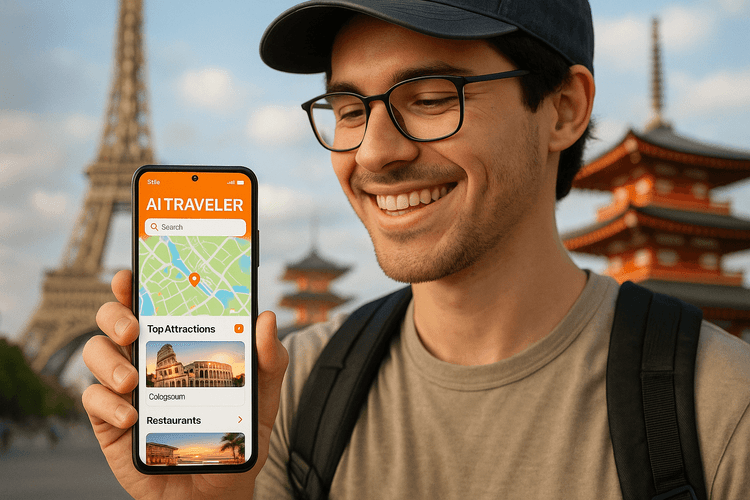
The New Reality: Optimizing for AI and LLMs
Here’s what most hotel marketers haven’t realized yet: the rules have changed because of how AI works.
When someone asks ChatGPT or Claude “where should I stay in Austin for a music festival,” these AI systems aren’t just pulling up the first page of Google results. They’re synthesizing information from across the web to give a direct answer. If your hotel has detailed, specific content about your proximity to music venues, your soundproofing, your late checkout policies for festival-goers, and your partnerships with local venues, that information can make it into AI recommendations.
If your website just says “conveniently located in downtown Austin,” you’re invisible to these systems.
Traditional SEO focused on keywords and backlinks. LLM optimization requires something different: comprehensive, factual, specific content that directly answers questions travelers have.
Here’s what this means in practice:
Be specific, not general. Instead of “near shopping and dining,” write “three blocks from the Pearl District with 40+ restaurants within a 10-minute walk, including Cured, The Granary, and Battalion.” AI systems value specific, verifiable facts.
Answer complete questions. Don’t just list amenities. Explain what problems they solve. “Our EV charging stations include both Tesla and J1772 connectors, located in covered parking to protect from weather, with charging typically complete in 4-6 hours” is infinitely more valuable than “EV charging available.”
Provide context. AI systems are looking for information that helps them understand your hotel in relation to what travelers need. “Located in the Marais district, ideal for travelers who want to be walking distance from museums (10 minutes to Picasso Museum, 15 to Pompidou) while staying in a neighborhood with authentic Parisian cafes and bakeries” helps an AI understand who your hotel is right for.
Use natural language. Write the way people actually talk and ask questions. AI systems are trained on conversational language, not keyword-stuffed marketing copy.
Keep information current. AI systems often prioritize recent content. A blog post from last month about current restaurant openings in your neighborhood is more valuable than a three-year-old generic neighborhood guide.
What Content Your Hotel Actually Needs
Not all content is created equal. Some types of content drive bookings. Others are a waste of time. Here’s what actually works:
Building a hotel content marketing strategy with purpose
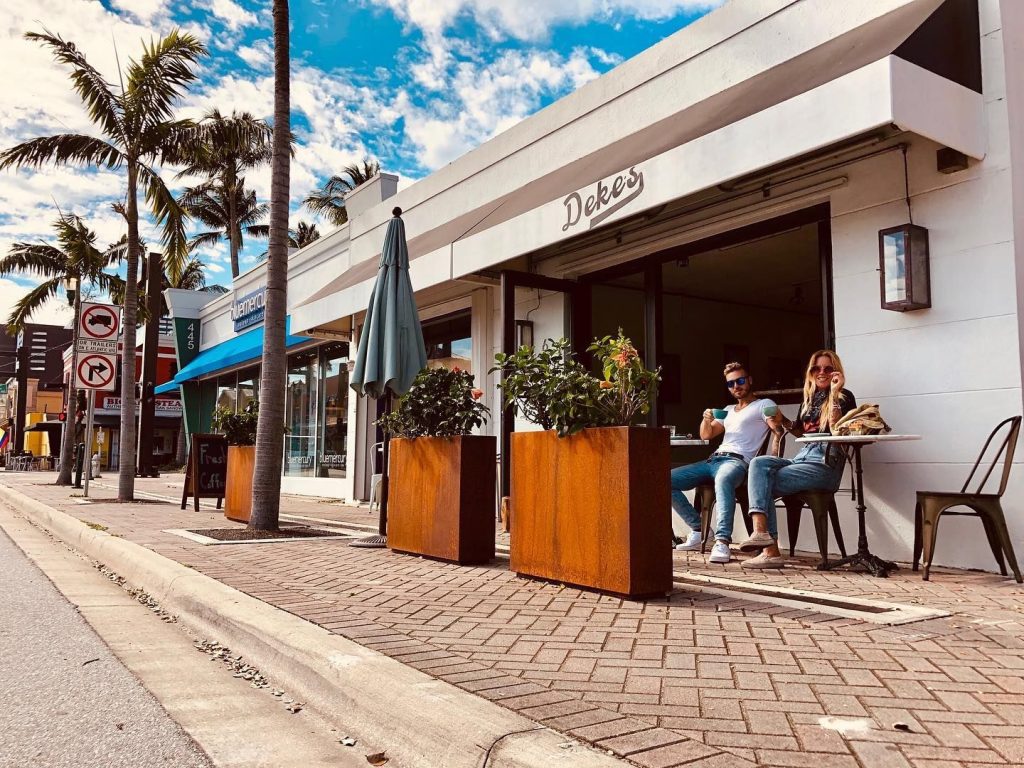
Neighborhood and Location Guides
This is your highest-value content. Travelers want to understand the area around your hotel better than Google Maps can tell them.
Create comprehensive guides that cover walking distances and times to major attractions, public transportation access with specific instructions, neighborhood character and what it’s like at different times of day, where locals actually eat and shop, and safety considerations for different types of travelers.
Don’t write generic tourist guides. Write specific, opinionated content based on real local knowledge. “The 14 bus stops directly in front of the hotel and takes 18 minutes to reach Fisherman’s Wharf, running every 12 minutes during the day and every 20 minutes after 8pm” is dramatically more useful than “convenient public transportation nearby.”
Update these guides quarterly. Restaurants close, new attractions open, transportation schedules change. Fresh content performs better and builds trust.
Event-Specific Content
Hotels that create content around major local events see significant booking increases from that content.
If there’s a marathon, music festival, conference, or sporting event in your city, create dedicated content for it. Explain your proximity to the venue, your late checkout policies, your luggage storage options, whether you have any special packages, and insider tips for attendees.
Create this content 2-3 months before major events. Travelers book early for popular events, and you want to be part of their research phase.
Real example: A boutique hotel in Edinburgh creates detailed guides for Fringe Festival attendees every year. The guide includes which venues are walking distance, which shows their front desk staff recommend, how to navigate the city during peak crowds, and what amenities matter most to festival-goers (luggage storage, late checkout, quiet rooms for afternoon naps). This single piece of content drives 15-20% of their August bookings.
Traveler Persona Content
Different travelers have completely different needs. Solo business travelers, families with young children, couples on anniversary trips, and digital nomads staying for a month are looking for different things.
Create content that speaks directly to each of your key traveler types. Explain which rooms are best for their needs, what amenities matter most to them, and how your hotel specifically solves their concerns.
For business travelers: detailed information about your workspace options, WiFi speeds, proximity to conference centers or business districts, early breakfast times, and whether you have meeting rooms.
For families: which rooms connect or have separate sleeping areas, whether cribs and high chairs are available, if there’s a kitchenette, what family-friendly restaurants are nearby, and whether you’re near parks or activities for kids.
For extended stays: weekly rates, laundry facilities, kitchen amenities, workspace quality, grocery store proximity, and whether you have relationships with local coworking spaces.

Local Experience Content
This is where you demonstrate that you’re not just a hotel, you’re local experts.
Write about seasonal activities, hidden gems that tourists miss, local traditions and culture, the best time to visit specific attractions, and how to experience your city like a local rather than a tourist.
Partner with local businesses and feature them. “Our favorite bakery is Tartine, two blocks south. Marie who owns it has been baking the same sourdough recipe for 15 years. Get there before 9am on weekends or the almond croissants sell out” is content that builds trust and helps travelers.
This content should be genuine. Don’t write generic listicles. Write from real experience and opinion.
Behind-the-Scenes and Story Content
Travelers increasingly want to know who they’re supporting when they book.
Share the story of your hotel, introduce staff members who’ve been with you for years, explain your sustainability practices in specific detail, showcase your design choices and why you made them, and highlight community involvement.
This content humanizes your hotel and gives travelers emotional reasons to choose you over a chain or a cheaper option.
FAQ and Practical Information
Create comprehensive FAQ content that answers every logistical question a traveler might have.
Check-in and checkout processes and times, parking options with specific pricing and locations, pet policies with size limits and fees, accessibility features in detail, cancellation policies, what’s included versus what costs extra, and how to get to your hotel from the airport or train station.
This content serves two purposes: it helps travelers make decisions, and it reduces time your staff spends answering the same questions repeatedly.
This is why a clear hotel content marketing strategy must focus on real traveler questions rather than generic promotional copy.
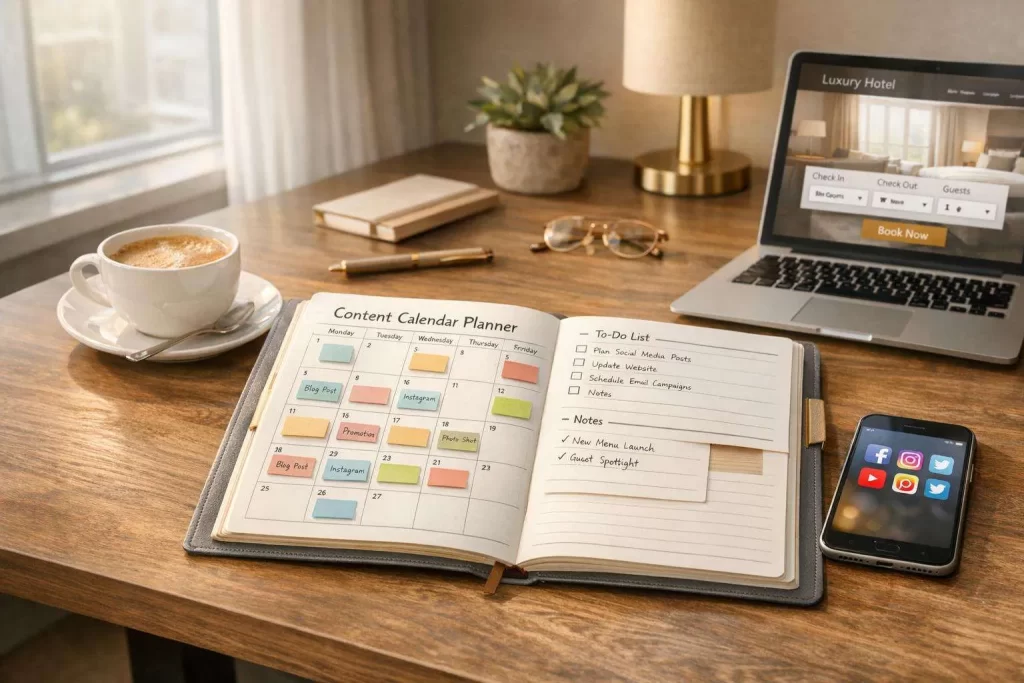
Content Frequency: What Actually Gets Results
The question every hotel marketer asks is how often to publish content. The answer isn’t one-size-fits-all, but here’s what the data shows:
For Established Hotels with Existing Content
Publish 2-3 high-quality pieces per month. This might be one substantial neighborhood guide or traveler persona piece, plus one or two shorter posts about events, seasonal activities, or local updates.
Update your evergreen content quarterly. Your neighborhood guide shouldn’t be static. Add new restaurant recommendations, update transportation information, and remove closed businesses.
For Hotels Building Content from Scratch
Publish 4-6 pieces per month for the first six months. You need to build a foundation of comprehensive content quickly.
Prioritize your highest-value content first: detailed location guides, your top three traveler personas, and major event guides for upcoming events in the next 3-6 months.
For Boutique Hotels or Properties in Competitive Markets
Publish 3-4 pieces per month consistently. You’re competing against larger hotels with bigger budgets, so content is one of the few areas where you can win through quality and local expertise rather than money.
Focus on depth over breadth. One incredibly detailed, genuinely useful guide is worth five generic listicles.
Content Types by Frequency
Weekly (or close to it): Local happenings, new restaurant or attraction openings, seasonal tips, quick insider recommendations. These should be 300-500 words and take minimal time to produce.
Bi-weekly or monthly: Detailed traveler guides, event-specific content, seasonal activity guides, staff stories, sustainability updates. These are 800-1500 words and require more research and writing time.
Quarterly: Major neighborhood guides, comprehensive FAQ updates, annual event recaps and previews, year-in-review content. These might be 1500-3000 words and serve as pillar content.
Annually: Your hotel’s story, major renovation announcements, significant milestone celebrations, annual sustainability reports. These are substantial pieces that deserve serious time investment.
The key isn’t just frequency, it’s consistency. Publishing four posts one month and nothing for three months is worse than publishing one good post every month reliably.

Quality Over Everything: What Makes Hotel Content Actually Good
Here’s the uncomfortable truth: most hotel blog content is bad. Not just mediocre, actively bad. Generic, obvious, filled with clichés, clearly written by someone who’s never been to the city, offering nothing a traveler couldn’t find in five seconds on TripAdvisor.
Quality content does something different. Here’s what separates good from terrible:
Good Content Is Specific
Bad: “Our hotel is near many excellent restaurants.”
Good: “Within three blocks you’ll find Zuni Café (California-Mediterranean, famous for their roast chicken, dinner reservations essential), Petit Crenn (Michelin-starred French, tasting menu only, book 2-3 weeks ahead), and Brenda’s French Soul Food (incredible breakfast, expect a 20-30 minute wait on weekends, cash only).”
Specificity is the single biggest marker of quality. Names, distances, prices, times, details that actually help someone make decisions.
Good Content Reflects Real Experience
Travelers can tell when content is written by someone who knows what they’re talking about versus someone who researched from their desk.
Include details that only come from experience: “The 38 Geary bus is technically closer, but the 2 Clement is more reliable and less crowded during rush hour.” That kind of insight only comes from living in a place.
If you’re writing about restaurants or attractions you haven’t personally experienced, visit them. Take photos. Talk to the staff. Eat the food. Your content will be noticeably better.
Good Content Has a Point of View
Generic content tries to appeal to everyone and ends up meaningless to everyone.
Good content has opinions: “If you’re only in San Francisco for two days, skip Alcatraz. The lines are terrible, it takes half a day, and Angel Island offers better views with a fraction of the tourists.” Some people will disagree. That’s fine. Opinionated content is memorable and builds trust.
Good Content Is Genuinely Helpful
Before publishing anything, ask yourself: would a traveler planning a trip find this useful? Would they bookmark it? Would they send it to someone they’re traveling with?
If the answer is no, don’t publish it. Mediocre content doesn’t just fail to help you, it actively hurts you by training Google and AI systems that your content isn’t worth paying attention to.
Good Content Is Well-Organized and Easy to Scan
Travelers are busy. They’re comparing options, juggling multiple browser tabs, trying to make decisions quickly.
Use clear headings, short paragraphs, bullet points when appropriate, bold text to highlight key information, and white space to make content breathable.
If someone can’t scan your 1200-word neighborhood guide and pull out the three facts they need in 30 seconds, your formatting needs work.
Good Content Is Updated
Content from 2019 might as well not exist. Restaurants have closed, attractions have changed hours, new things have opened, and travelers know that outdated content is untrustworthy.
Every piece of evergreen content should have a visible “Last updated” date. Set calendar reminders to review and update your top-performing content every 3-6 months.

Why You Should Actually Care About This
Let’s talk about motivation, because creating good content consistently is hard work.
The hotels that invest in content marketing see measurable results. Higher organic traffic (which is free, unlike ads), longer website engagement times (which correlates with booking likelihood), more direct bookings (which have higher margins than OTA bookings), stronger brand perception, and better positioning against competitors.
But here’s the real reason to care: your competition is either already doing this, or they will be soon.
The hotels that build comprehensive, high-quality content libraries now will have an enormous advantage in 2-3 years. Content builds on itself. Your 50th blog post performs better than your 5th because search engines and AI systems see you as an authority. Your detailed guides from last year still drive bookings this year while requiring minimal maintenance.
Starting later means playing catch-up. Starting now means building an asset that gets more valuable over time.
The Reality Check You Need
Creating genuinely good content takes time. A detailed neighborhood guide might take 4-6 hours to research, write, edit, and publish. A comprehensive FAQ might take 8-10 hours spread across multiple staff members to get right.
This is why most hotels don’t do it well. It’s easier to post generic content written by a freelancer who’s never visited your city. It’s easier to copy what competitors are doing. It’s easier to focus on things that show immediate results.
But if content marketing were easy, it wouldn’t be valuable. The difficulty is exactly why it works. Most hotels won’t do the hard work, which means the ones that do stand out dramatically.
You don’t need to be perfect. You don’t need to publish every day. You don’t need a massive team.
You need to commit to publishing genuinely useful content consistently, updating it regularly, and treating it as seriously as you treat your hotel’s physical maintenance.
Start with one comprehensive piece per month. Make it something a traveler would genuinely bookmark and share. Put your name on it. Make it reflect real knowledge and experience.
Do that for six months and you’ll see results. Do it for a year and you’ll be ahead of 90% of your competition. Do it for three years and you’ll have built something genuinely valuable that drives bookings long after you’ve published it.

Where to Start Right Now
Feeling overwhelmed? Here’s what to do this week:
Day one: Make a list of the 10 questions travelers ask your front desk most frequently. These are your first 10 pieces of content.
Day two: Pick one of those questions and write a comprehensive answer. 500-800 words. Specific details. Real recommendations. Genuine helpfulness.
Day three: Publish it on your blog with good photos, clear formatting, and a compelling headline.
Day four: Share it with your team. Ask them to read it and point out anything missing or wrong.
Day five: Update the post based on their feedback.
Now do that again next week. And the week after. And the month after that.
Six months from now, you’ll have 20-25 pieces of genuinely useful content. A year from now, you’ll have 40-50. Two years from now, you’ll have built something that drives meaningful revenue for your hotel.
The hotels that win aren’t the ones with the biggest marketing budgets. They’re the ones that show up consistently with genuine value for travelers.
Your competition is still posting generic content about “world-class amenities” and “unforgettable experiences.” They’re not doing the hard work of being actually helpful.
That’s your opportunity.

Schedule your free consult
Schedule a free 45-minute video call with us to discover how Atelier ATTN. (ATTENTION) can enhance your marketing efforts. Learn how our team of talented and motivated professionals in Vietnam can provide exceptional value with competitive pricing.