
If you’re running a business online, your website is one of the most important tools you have for converting visitors into paying customers. But with so many websites out there competing for attention, how can you make sure your website stands out and convinces visitors to take action? In this article, we’ll discuss the 10 must-have elements for a website that converts visitors into customers.
1. Clear and Concise Messaging
Your messaging is the foundation of your website’s success. When visitors land on your website, they should be able to quickly understand what your business offers and how it can benefit them. Your messaging should be clear and concise, using language that resonates with your target audience. Avoid using jargon or buzzwords that might confuse or alienate potential customers. Instead, focus on the benefits of your products or services and how they can solve your customers’ pain points.
2. Compelling Headlines
Your headlines are your first opportunity to grab visitors’ attention and encourage them to keep reading. Use headlines to highlight the benefits of your products or services and address visitors’ pain points. Be creative and use language that stands out from the crowd. Your headlines should be concise, clear, and compelling, giving visitors a reason to keep reading.

3. Strong Calls-to-Action
To convert visitors into customers, you need to tell them what to do next. Use strong, clear calls-to-action (CTAs) throughout your website, such as “Buy Now” or “Sign Up Today.” Make sure your CTAs stand out visually and are strategically placed throughout your site. Use contrasting colors to make your CTAs pop and ensure that they are placed in areas of high visibility, such as the top of the page or the end of a blog post.
4. User-Friendly Navigation
Your website’s navigation should be intuitive and easy to use. Visitors should be able to find what they’re looking for quickly and easily. Use clear labels for your navigation menu and consider including a search bar for added convenience. Your navigation should be consistent throughout your website, making it easy for visitors to explore and find what they need.
5. Mobile Responsiveness
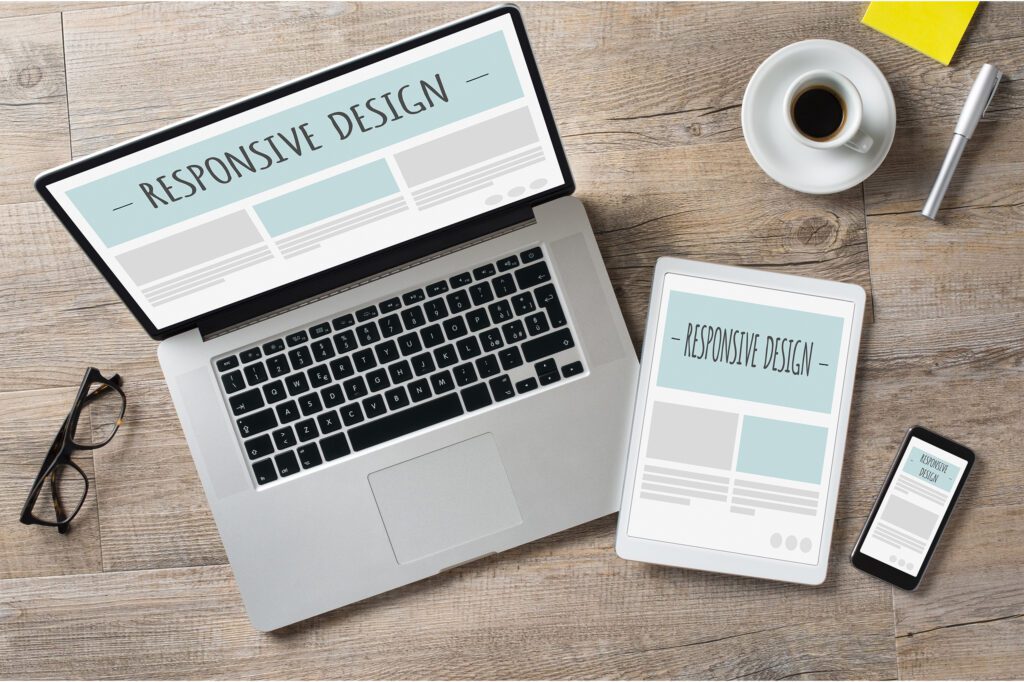
With more and more people accessing the internet on their mobile devices, it’s essential that your website is mobile-friendly. Ensure that your website is optimized for smaller screens and that all of your content is easily readable on a mobile device. Use a responsive design that adjusts to different screen sizes and consider using mobile-specific features, such as click-to-call buttons or mobile-specific CTAs.
6. Social Proof
People are more likely to trust your business if they see that others have had positive experiences with it. Use social proof, such as customer testimonials or reviews, to build trust with visitors and encourage them to take action. Consider including case studies or success stories that demonstrate the results you’ve achieved for your customers.
7. Trust Symbols
In addition to social proof, you can also use trust symbols to build credibility with visitors. This might include displaying logos of well-known brands you’ve worked with or badges from industry associations or certifications. If you have won any awards or been recognized for your work, be sure to include those as well. These symbols can help visitors feel more confident in your business and encourage them to take action.

8. High-Quality Visuals
The visuals on your website should be high-quality and relevant to your business. Use images, videos, and other visual content to help tell your brand’s story and showcase your products or services. Avoid using stock photos that feel generic or overused, and instead invest in professional photography or videography to create unique and authentic visuals. Use images strategically throughout your website, such as on product pages or in blog posts, to break up text and create a visually engaging experience for visitors.
9. Easy-to-Use Contact Forms
Your website should make it easy for visitors to get in touch with your business. Consider including contact forms on key pages of your website, such as your homepage or contact page. Keep your forms simple and easy to use, asking only for essential information. Test your forms regularly to ensure that they are functioning properly and that submissions are being received.
10. Fast Load Times
Finally, your website should load quickly and smoothly. Slow load times can be frustrating for visitors and may cause them to abandon your site altogether. Use a reliable web host and optimize your images and other content for fast loading. Test your site regularly to ensure that it is loading quickly and that there are no technical issues causing delays.

Conclusion:
By incorporating these 10 must-have elements into your website, you can create a user-friendly, visually engaging experience that converts visitors into customers. From clear messaging and strong CTAs to high-quality visuals and fast load times, these elements work together to create a website that builds trust with visitors and encourages them to take action. By investing in these essential elements, you can set your website apart from the competition and create a powerful marketing tool for your business.