
Designing a website that sells is essential for businesses of all sizes. Whether you’re a small business owner or a large corporation, your website is your online storefront and should be designed to attract and convert visitors into customers. In this post, we’ll provide tips for creating a website that sells and helps you grow your business.
1. Define Your Target Audience
One of the most important steps in creating a website that sells is defining your target audience. Understanding your target audience helps you tailor your messaging, design, and content to their needs and preferences. To define your target audience, consider factors like demographics, psychographics, and behavior patterns. Use tools like Google Analytics to gain insights into your website visitors and adjust your strategy accordingly.

2. Craft Your Unique Value Proposition
Your unique value proposition (UVP) is what sets you apart from the competition and makes you the best choice for your target audience. Your UVP should be clear, concise, and focused on the benefits you provide to your customers. To craft your UVP, think about what makes your products or services unique, and how they solve your customers’ problems. Use your UVP throughout your website to reinforce your messaging and make it easy for visitors to understand what you offer.

3. Design for User Experience
User experience (UX) is crucial for creating a website that sells. Your website should be easy to navigate, visually appealing, and provide a seamless experience for visitors. Use clear, concise copy and intuitive design to guide visitors through your website and encourage them to take action. Optimize your website for speed, and make sure it’s mobile-friendly to cater to visitors on all devices.
4. Optimize for Search Engines

Search engine optimization (SEO) is an essential part of creating a website that sells. Your website should be optimized for search engines to attract organic traffic and improve your visibility in search results. Use keyword research to identify the terms your target audience is searching for, and incorporate them into your website copy, meta descriptions, and image alt tags. Use internal linking to guide visitors to relevant pages on your website, and include high-quality, authoritative external links to improve your credibility.
5. Include High-Quality Visuals
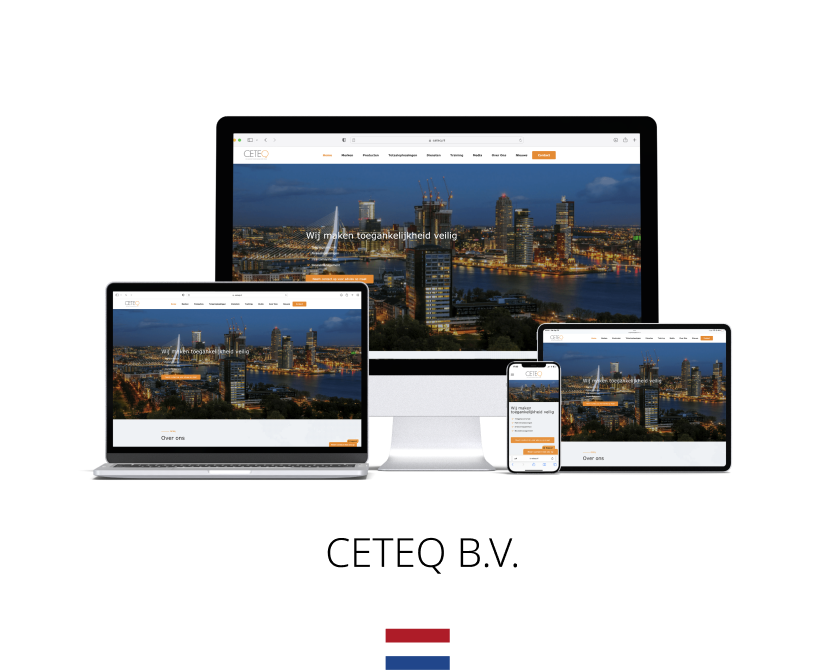
Visuals are a powerful tool for creating a website that sells. Use high-quality images, videos, and graphics to grab visitors’ attention and showcase your products or services. Make sure your visuals are relevant to your messaging and target audience, and use them strategically throughout your website to break up text and guide visitors through your content.

6. Use Social Proof
Social proof is a powerful psychological concept that can help you create a website that sells. Social proof refers to the influence that other people’s actions and opinions have on our own behavior. Use customer testimonials, case studies, and social media proof to show visitors that others have had positive experiences with your business. This can help build trust and encourage visitors to take action.
7. Include Clear Calls to Action
Clear calls to action (CTAs) are essential for creating a website that sells. Your CTAs should be prominent, easy to understand, and encourage visitors to take action. Use action-oriented copy and design to make your CTAs stand out, and place them strategically throughout your website. Make it clear what visitors will get by taking action and use urgency to encourage them to act now.
8. Measure and Analyze
Measuring and analyzing your website’s performance is essential for creating a website that sells. Use tools like Google Analytics to track your website’s traffic, engagement, and conversion rates. Use this data to identify areas for improvement and adjust your strategy accordingly. Test different designs, messaging, and CTAs to see what works best for your target audience.

In conclusion, creating a website that sells requires a strategic approach that focuses on user experience, search engine optimization, and clear messaging. By defining your target audience, crafting a unique value proposition, and designing for user experience, you can create a website that attracts and converts visitors into customers.
Including high-quality visuals, using social proof, and including clear calls to action can further enhance your website’s ability to sell. But it’s not enough to simply create a website and hope for the best. Measuring and analyzing your website’s performance is crucial for identifying areas for improvement and adjusting your strategy accordingly.
By using tools like Google Analytics to track your website’s performance, you can gain valuable insights into how visitors interact with your website and which strategies are most effective for driving conversions. This data can help you optimize your website for maximum effectiveness and drive the growth of your business.
Remember, your website is your online storefront, and creating a website that sells is essential for the success of your business. By following the tips outlined in this post, you can create a website that attracts, engages, and converts visitors into customers. So take the time to craft a strategic approach to your website design and optimize it for success.