Influencer marketing has been a powerful tool for brands to connect with audiences over the past decade. From mega-influencers with millions of followers to micro-influencers who cater to niche communities, the landscape continues to evolve. Now, a new shift is underway: the rise of nano-influencers and AI-generated influencers, two trends that are transforming influencer marketing strategies for better engagement, authenticity, and return on investment.
The rise of nano-influencers: small audiences, big impact
While mega-influencers boast impressive follower counts, brands are now recognizing the power of nano-influencers: individuals with 1,000 to 10,000 followers. These influencers may not have massive reach, but they offer something even more valuable: trust and authenticity.
Nano-influencers tend to have highly engaged, tight-knit communities. Their followers often know them personally or feel a deeper connection, making their recommendations far more relatable and trustworthy. For brands, this translates into better audience engagement and higher conversion rates.
Why nano-influencers work:
- Authenticity: Followers see nano-influencers as peers rather than celebrities, which makes their content more genuine.
- Cost-effectiveness: Working with nano-influencers is significantly cheaper than partnering with macro-influencers or celebrities.
- Niche audiences: Nano-influencers excel in reaching highly specific audiences—perfect for targeted marketing campaigns.
For example, a small beauty brand looking to promote clean skincare products might work with a nano-influencer who regularly shares skincare routines with their audience. The influencer’s personal, relatable content can inspire trust and drive sales in a way traditional ads often can’t.
AI-generated influencers: the future of digital personalities
While nano-influencers rely on authenticity, AI-generated influencers are captivating audiences through innovation. These digital characters, created using artificial intelligence, are becoming increasingly popular on social media platforms. Unlike traditional influencers, AI-generated influencers are not real people—they are entirely digital creations designed to look and act like humans.
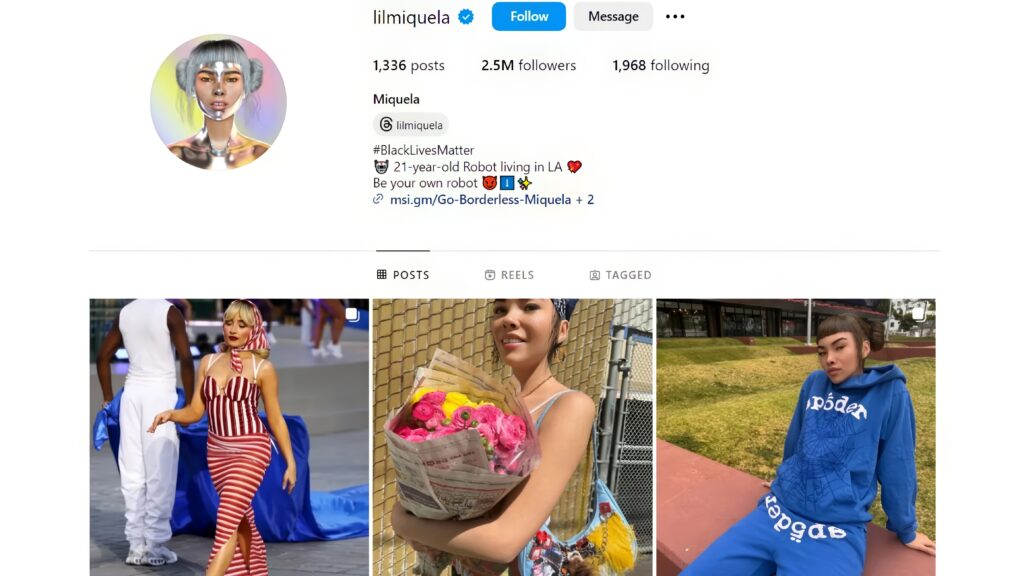
One of the most famous examples is Lil Miquela, an AI influencer with over 2 million Instagram followers. Lil Miquela collaborates with fashion brands, promotes causes, and even releases music. Although she isn’t real, her content resonates with audiences who appreciate her unique style and storytelling.
Why brands are investing in AI influencers:
- Full creative control: Brands can shape every detail of an AI influencer’s appearance, personality, and actions.
- Always on-brand: Unlike human influencers, AI influencers don’t have off-days or controversies, ensuring consistent messaging.
- Scalability: AI influencers can produce content at any time, without scheduling conflicts or limitations.
While some critics argue that AI influencers lack the authenticity of human relationships, their innovative nature appeals to younger, tech-savvy audiences. For industries like fashion, gaming, and technology, AI influencers offer endless creative possibilities to engage audiences in fresh, futuristic ways.
How brands can leverage nano-influencers and AI influencers
The success of nano-influencers and AI-generated influencers lies in their ability to address two very different marketing goals: building trust through authenticity and creating bold, cutting-edge campaigns. Forward-thinking brands are already combining both strategies to maximize their reach and engagement.
- For trust and conversions: Use nano-influencers to promote products to highly engaged, niche audiences. Their relatable content and personal recommendations drive sales, especially for small businesses and local brands.
- For innovation and brand awareness: Work with AI influencers to create visually striking campaigns that stand out in crowded digital spaces. AI influencers are perfect for brand storytelling, creative collaborations, and attracting younger demographics.
- Blending the two: Some brands partner with nano-influencers to produce authentic, real-world content while using AI influencers for futuristic campaigns. This combination balances trust and innovation, giving brands the best of both worlds.
The future of influencer marketing
As consumer behavior evolves, so too does influencer marketing. Nano-influencers are helping brands forge genuine connections with audiences who crave authenticity. At the same time, AI influencers are pushing creative boundaries, opening new opportunities for storytelling and engagement.
In the years ahead, we can expect influencer marketing to become even more personalized and innovative. Brands that embrace both nano-influencers and AI influencers will not only stay ahead of the curve but also resonate with audiences in meaningful, memorable ways.
The influencer marketing landscape is changing rapidly, driven by the rise of nano-influencers and AI-generated influencers. Nano-influencers offer relatability and trust, while AI influencers bring futuristic creativity and full control to campaigns. By leveraging both, brands can achieve stronger connections, better results, and campaigns that stand out in today’s crowded digital world.
At Atelier ATTENTION, we help brands navigate these new trends with strategies that blend authenticity, innovation, and measurable impact. Whether you’re looking to connect with niche audiences or explore the future of AI-driven campaigns, we’re here to make your digital marketing shine.