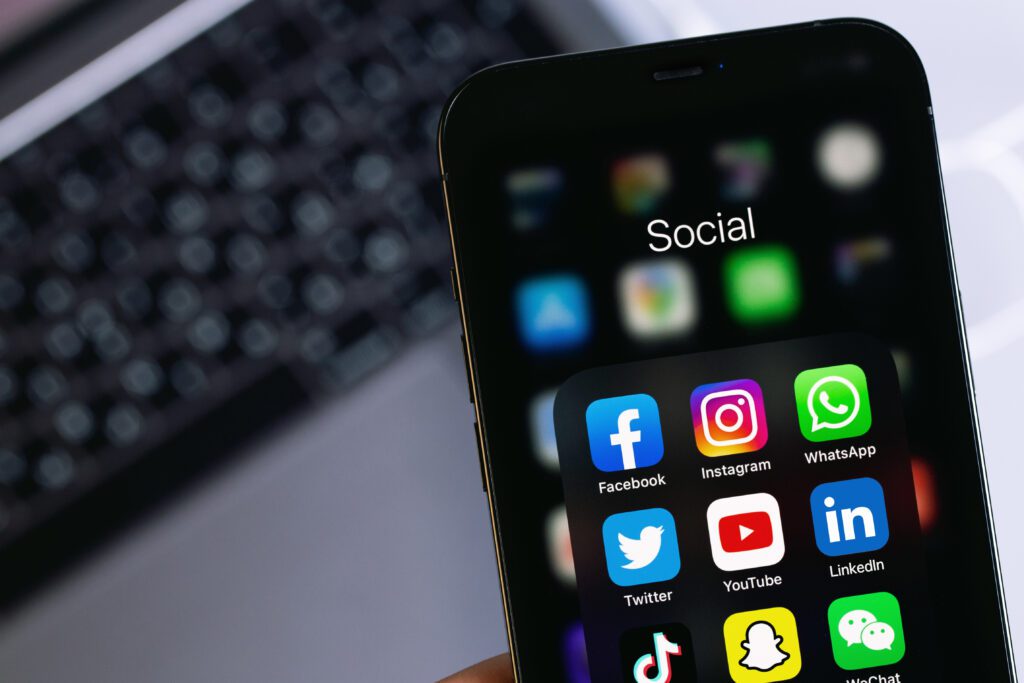
Social media channels have revolutionized the way businesses communicate and engage with their customers. However, with so many social media platforms available, choosing the right ones can be overwhelming. It’s important to understand that not all social media channels are created equal, and different channels may have varying strengths and weaknesses for your business.
Doing Fewer Channels Well is Better Than Doing Many Poorly
The first step to selecting the right social media channels is to identify your target audience and where they are most active. It’s better to do fewer channels well than to do a little bit on all channels. This means that you should focus your efforts on channels where your target audience is most active and engaged. You can then tailor your content and messaging to suit the specific platform and audience.
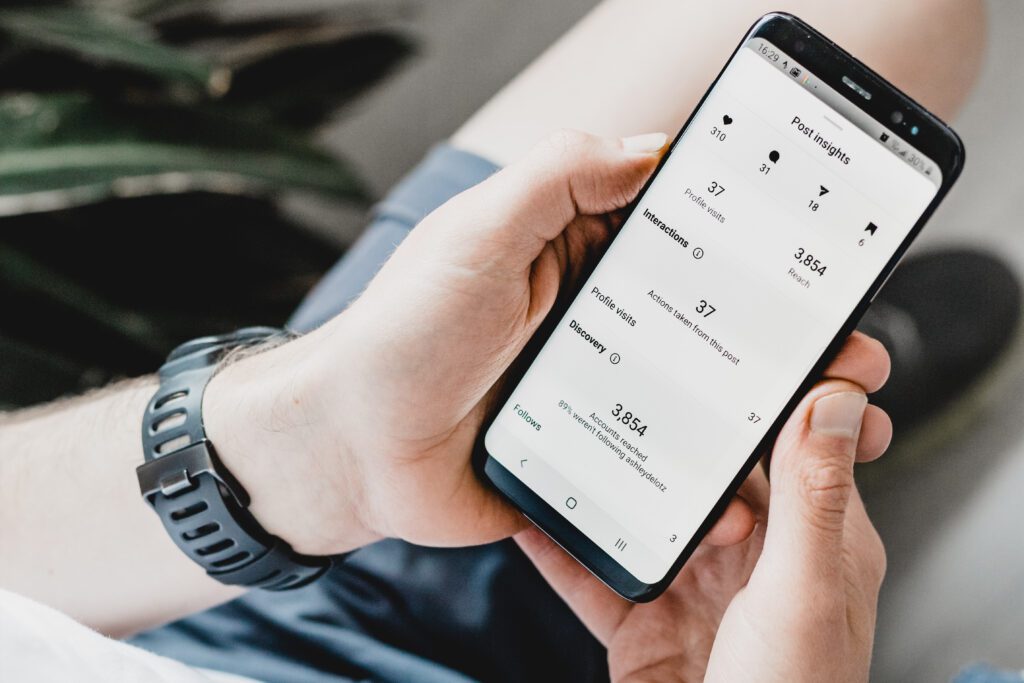
Each social media platform has its unique set of strengths and weaknesses. Here are some of the most popular social media channels and their key characteristics:
- Facebook is the largest social media platform and has over 2 billion active users. It’s a great platform for businesses that want to reach a broad audience and build brand awareness. Facebook is also an excellent channel for customer engagement, customer service, and community building.
- Instagram is a visually-focused platform that is ideal for businesses that have a strong visual identity or want to showcase their products or services. It’s particularly popular among younger audiences and is an excellent platform for influencer marketing and brand collaborations.
- Twitter is a micro-blogging platform that is great for businesses that want to share real-time updates and engage in conversations with their audience. It’s also an excellent platform for customer service and reputation management.
- LinkedIn is a professional networking platform that is ideal for B2B businesses or businesses that want to target professionals. It’s a great platform for thought leadership, networking, and recruitment.
YouTube
- YouTube is the largest video-sharing platform and is ideal for businesses that want to share video content. It’s particularly popular among younger audiences and is an excellent platform for brand storytelling and tutorials.

Importance of a Cross-Channel Content Strategy and Planning
It’s important to note that simply having a presence on social media channels is not enough. To succeed in social media marketing, you need a cross-channel content strategy and planning. This means that you should plan your content across all channels and ensure that it is tailored to the specific platform and audience.
A cross-channel content strategy also enables you to repurpose content across different channels, saving you time and resources. It also ensures consistency in messaging and branding across all channels, helping to build brand recognition and loyalty.
In conclusion, selecting the right social media channels is crucial for the success of your social media marketing efforts. By focusing on the channels where your target audience is most active and engaged, you can create tailored content and messaging that resonates with your audience. Additionally, a cross-channel content strategy and planning will help you to achieve consistency and effectiveness across all channels.