
Russian guests are often the first to notice the problem.
Short answer: Since 9 June 2025, major Russian internet providers have throttled connections to websites served through Cloudflare. Visitors in Russia often receive only the first 16 KB of each file. The page starts to load, then stalls. For a hotel, that means a guest in Moscow may not be able to open your website, browse your rooms or complete a booking. The fix is not a setting inside Cloudflare. It is a change in how Russian traffic reaches your site.
This matters to any business with Russian visitors: tour operators, travel agencies, e-commerce. But hotels and resorts feel it most. We just solved it for one of our clients. Here is what happened and what you should check.
Why this matters for hotels in Vietnam and Southeast Asia
Russian travellers are back, and in numbers.
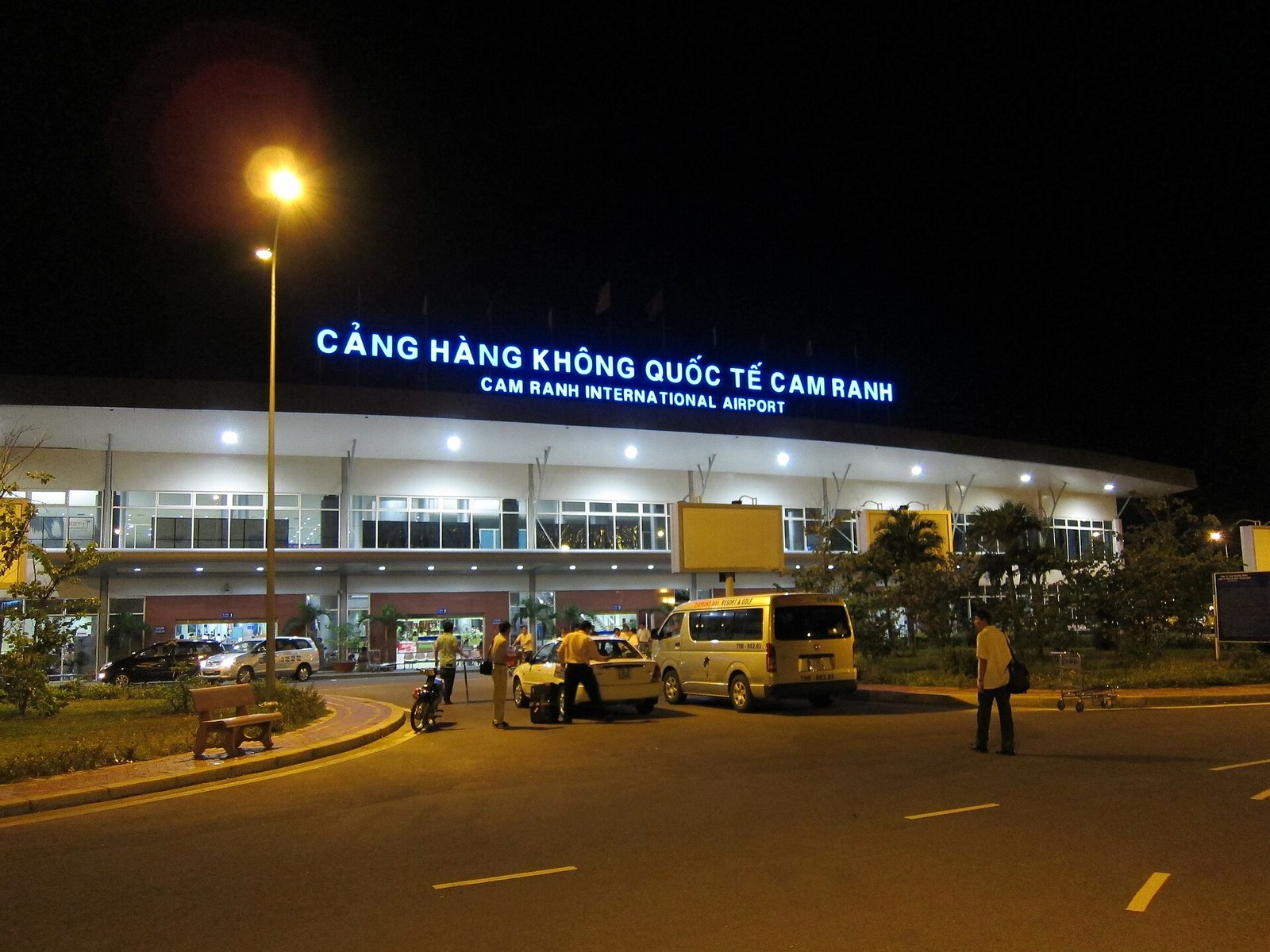
Vietnam received 689,714 Russian visitors in 2025, according to official statistics. That is almost three times the 2024 figure. It beat the pre-pandemic record of 2019. Russia became Vietnam’s sixth-largest source market. Charter flights from Russian cities now land in Cam Ranh, the airport for Nha Trang, and in Phu Quoc. Khanh Hoa province alone welcomed 121,000 Russian visitors in the first five months of 2025.
Many of these guests plan and book from home, in Russia. If your website does not load for them, they never reach you directly.
What is actually happening
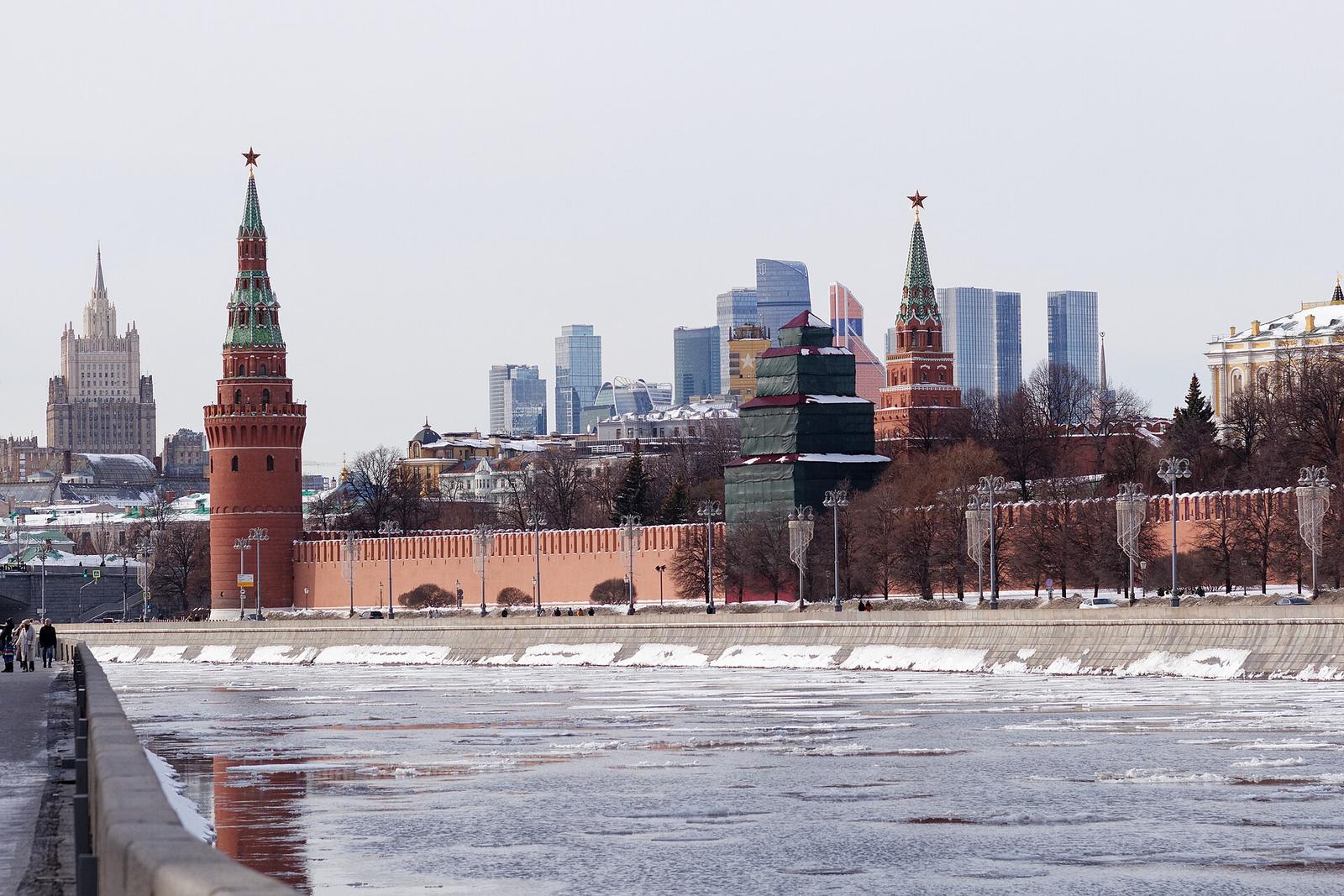
Cloudflare did not decide to block or slow down Russia. The throttling happens inside Russian provider networks. Cloudflare has published this itself. Its own words: the action is “outside of Cloudflare’s control”, and it cannot currently restore reliable access for Russian users.
The facts, as reported by Cloudflare and the technical press:
- It started on 9 June 2025.
- It is applied by Russian ISPs, including Rostelecom, MTS, MegaFon, VimpelCom and MGTS.
- Connections are cut after roughly 16 KB of data.
- It affects every common protocol: HTTP/1.1, HTTP/2 and HTTP/3.
- It is not caused by a misconfiguration on your side.
And it is spreading. Reports from January 2026 say foreign hosts such as Hetzner, OVH and DigitalOcean are now hit by the same 16 KB cut-off. In parts of Moscow, some networks reportedly allow only whitelisted services. Cloudflare’s support page, last updated in April 2026, still describes the problem as ongoing.
Sixteen kilobytes is tiny. A hotel homepage with photos is often several megabytes. Your text may start to appear, but images, styles and scripts never finish. To the guest, your site looks broken.

What this looks like for a hotel
Here is what a Russian guest may experience on a throttled hotel website:
- Room galleries that never load. Your best selling point, your photos, stays blank.
- A booking engine that hangs. Date pickers, availability and rates fail to appear.
- Payment pages that time out. The guest gets to the last step and cannot pay.
- Chat widgets and forms that do nothing. Questions and enquiries never reach you.
And there is a second risk. Your booking engine is often a third-party system. It may also sit behind a foreign CDN that is throttled in Russia. Fixing your own website does not automatically fix the booking step. Both need to be tested.
What happens next is predictable. The guest gives up on your site and books through an OTA instead. You still get the booking. But you pay the commission, and you lose the direct relationship with the guest.
The case: a travel company losing its Russian audience
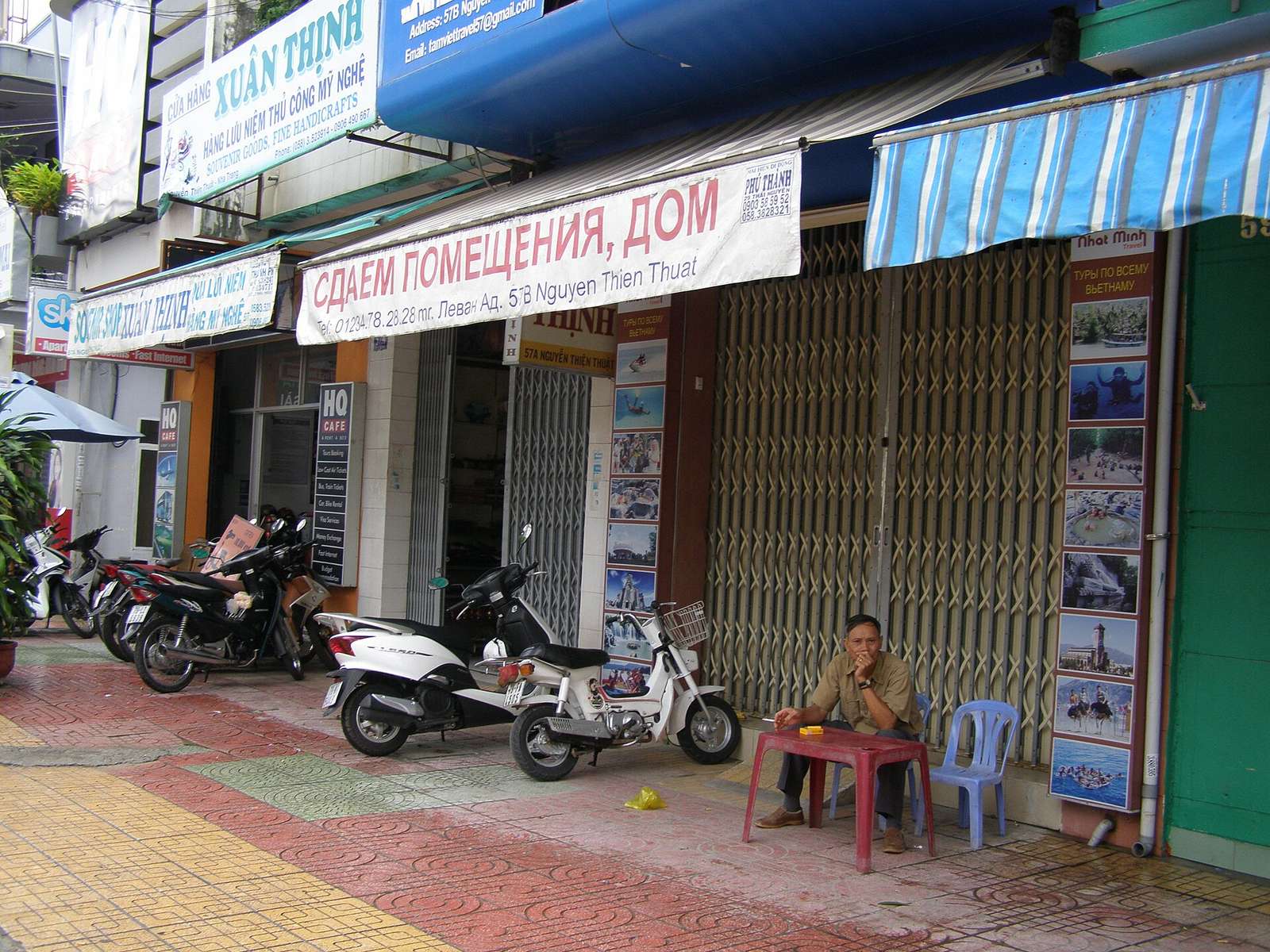
Our client is a travel company. Russian-speaking travellers are an important part of its market.
The site ran behind Cloudflare, like millions of others. Nothing was wrong with the server. Uptime monitoring was green. From Hanoi, from Europe, from the US, everything loaded fast.
From Russia, it did not.
That is the trap. A standard uptime check runs from outside Russia. It sees a healthy site. Meanwhile, a whole market quietly can’t book.
What we did
We kept Cloudflare for the rest of the world. It does its job well there.
For Russian visitors, we built a separate route. Traffic from Russia is now detected and served through Yandex Cloud CDN. Why does that work? Yandex is a domestic Russian network. Its traffic is not treated as foreign, so it is not subject to the throttling. Russian users get the full site from nearby servers. Everyone else keeps the existing setup.
At a high level:
- Diagnosis. Testing real page loads from inside Russian networks.
- A second delivery path. A Russian CDN serving the same site, content and security standards.
- Geo-routing. Sending Russian visitors to the right path automatically.
- Verification. Checking full page loads, bookings and forms from Russia after the switch.
The result: fast, complete page loads for Russian visitors again. No new website. No change in how the client’s team works.
I won’t publish the exact configuration. It depends on each site’s stack, and getting it wrong can break caching, forms or SEO. The principle is simple. When one route is blocked, you build another one.
What “managed hosting” really means
When we say we manage servers and hosting, people often hear “we keep the server online”. That is the easy part.
The real work is handling what nobody planned for. A regulator changes the rules. A network provider throttles a CDN. A sanctions decision cuts off a payment or hosting service. Your site is technically up, yet a key market can’t reach it.
In this case, the server was fine and the code was fine. The problem sat in the network between the site and its visitors. That is what we mean by managed hosting.
How to tell if your site is affected
Look for these warning signs:
- A drop in Russian traffic, especially from around June 2025 onwards.
- Very high bounce rates for visitors from Russia.
- Fewer direct bookings from Russian guests, while OTA bookings from the same market hold up or grow.
- Guests mentioning that your site was “broken” or “endless loading”.
- Your site or booking engine uses Cloudflare or another foreign CDN or host.
Be careful with your analytics. They may undercount the problem. If the tracking script never loads, the visit is never recorded. The drop can be bigger than your reports show.
This is not only about Russia
Russia is the clearest example right now. But similar risks exist in other markets: CDN and cloud blocks, geo-blocking, sanctions affecting hosting or payments, and data localisation laws. If your business depends on international guests, plan your infrastructure per market. Before anything breaks.
Also check the legal side. Using a local provider in a regulated market can have compliance and sanctions implications for your company. Get advice that fits your jurisdiction.
Frequently asked questions
Why can’t Russian guests open my hotel website?
If your site uses Cloudflare, the most likely cause is throttling by Russian internet providers. Since 9 June 2025, they have limited connections to Cloudflare to roughly 16 KB, so most pages never finish loading.
Does this affect my hotel booking engine?
It may. Many booking engines are third-party systems hosted abroad. If they sit behind a throttled foreign CDN, Russian guests may not be able to check availability or pay. Test the booking flow separately from your website.
Why are my direct bookings from Russia dropping while OTA bookings are not?
That pattern can point to a reachability problem. If your own site fails to load, guests book through an OTA they can access. You keep the guest but pay the commission.
Did Cloudflare block Russia?
No. Cloudflare reports that the throttling is done by Russian ISPs and is outside its control.
Can I fix it by changing my Cloudflare settings?
No. Cloudflare states the problem is not caused by your configuration. The fix is to serve Russian visitors through a different delivery path.
How do you restore access for Russian visitors?
One proven approach is geo-routing: serve visitors from Russia through a domestic Russian CDN, such as Yandex Cloud CDN, while the rest of the world stays on your existing setup. Because Yandex is a Russian network, its traffic is not throttled.
Are other hosting providers affected besides Cloudflare?
Yes. Reports from January 2026 say foreign hosts including Hetzner, OVH and DigitalOcean face the same 16 KB limit in Russia. Moving to another foreign host is usually not enough.
Is this only a problem for hotels?
No. Any business with customers in Russia is affected: tour operators, travel agencies, e-commerce, education. Hotels and resorts are hit hardest because every failed visit can be a lost direct booking.
Check your hotel website and booking engine from Russia
If Russian guests matter to your hotel, find out what they actually see.
We will test your website and your booking flow from inside Russia, from homepage to payment page. We tell you what is affected and explain your options in plain language. If you want, we then take over the hosting and keep it working, whatever the next surprise is.
Not a hotel? The same check works for any website with Russian visitors.
Contact Atelier ATTN. for a Russia reachability check
Alexander van den Berg, founder of Atelier ATTN., Hanoi
Sources
- Cloudflare Blog: Russian Internet users are unable to access the open Internet
- Cloudflare Support: Potential disruption of services for Russian users
- BleepingComputer: Russia’s throttling of Cloudflare makes sites inaccessible
- The Record: Cloudflare confirms Russia restricting access to services
- VOV: Russian arrivals to Vietnam surged 200% in 2025
- Vietnam.vn (Ministry of Culture, Sports and Tourism): International arrivals to Vietnam 2025
- VietnamPlus: Vietnam ramps up efforts to attract Russian tourists